Chicago aldermen consider $54.7M tax break for United Center project
(The Center Square) – The Chicago City Council may consider a $54.7 million property tax break for owners of the Chicago Blackhawks and Bulls later this month.
In 2024, the sports franchise and United Center owners proposed a $7 billion private investment in The 1901 Project to develop the area around the teams’ home arena with a 6,000-seat music hall, an elevated park, hotel and retail programming.
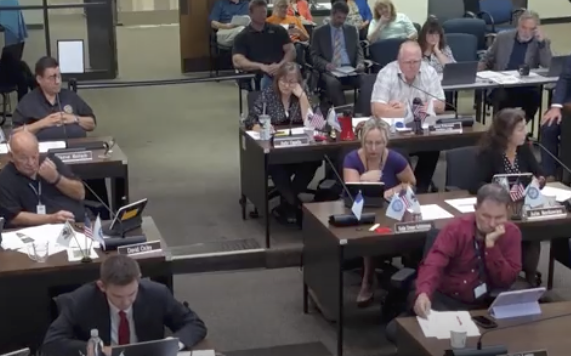
Jeffrey Cohen, deputy commissioner of the Bureau of Economic Development in the Chicago Department of Planning and Development, told the City Council Committee on Economic, Capital and Technology Development the tax breaks would apply to phase one of the project.
“If granted, the Class 7b property tax incentive, it is estimated the applicant will pay $66.7 million in property taxes over the 12-year period and will be abated $54.7 million over the same period,” Cohen said.
Cohen said the project will create 1,982 temporary construction jobs, 592 full-time positions and 179 part-time positions.
Alderman Walter “Red” Burnett said he hopes future megaprojects have the kind of community engagement that United Center owners have in his ward.
“Let’s talk about what those parking lots produce in taxes currently. It’s a fraction, if not minimal, to what could be utilized on this land,” Burnett said.
Several aldermen expressed concerns about minority representation for the project.
A number of union representatives and workers spoke in favor of the tax incentives during the committee’s public comment period, but Mary Rivera, who works for Levy Restaurants at the United Center, said her property tax bill is a source of worry
“When the United Center proposed The 1901 Project, we heard a lot about transformative $7 billion private investment in the West Side of Chicago. I was surprised to find out a couple of months ago that the private investment came with strings attached,” Rivera said.
Rivera said she doesn’t see why a wealthy private company should get special treatment while ordinary homeowners suffer uncertainty.
Geraldine Blevings, a union steward who works at the United Center, urged the committee to vote no.
“This looks less like a private investment and more like a public handout,” Blevings said.
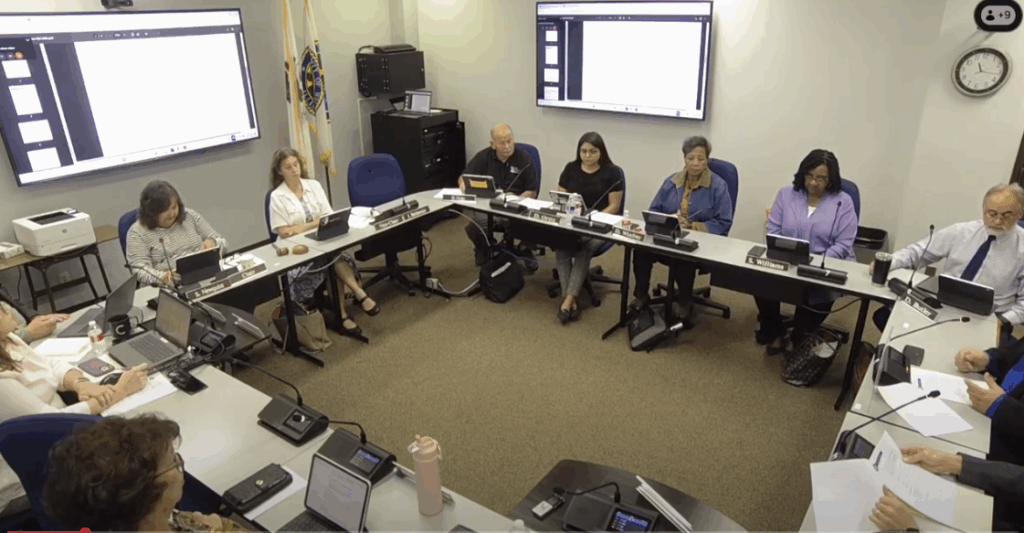
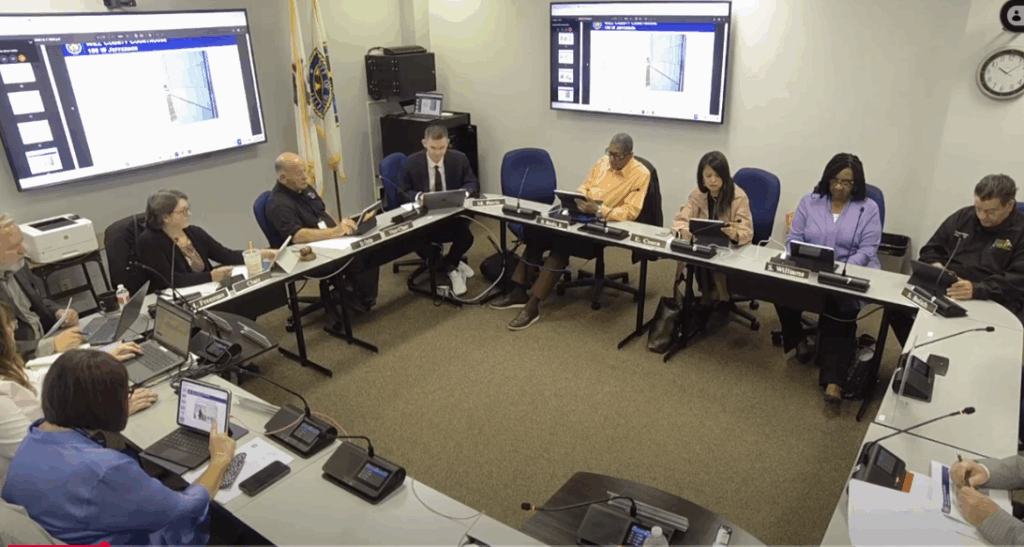
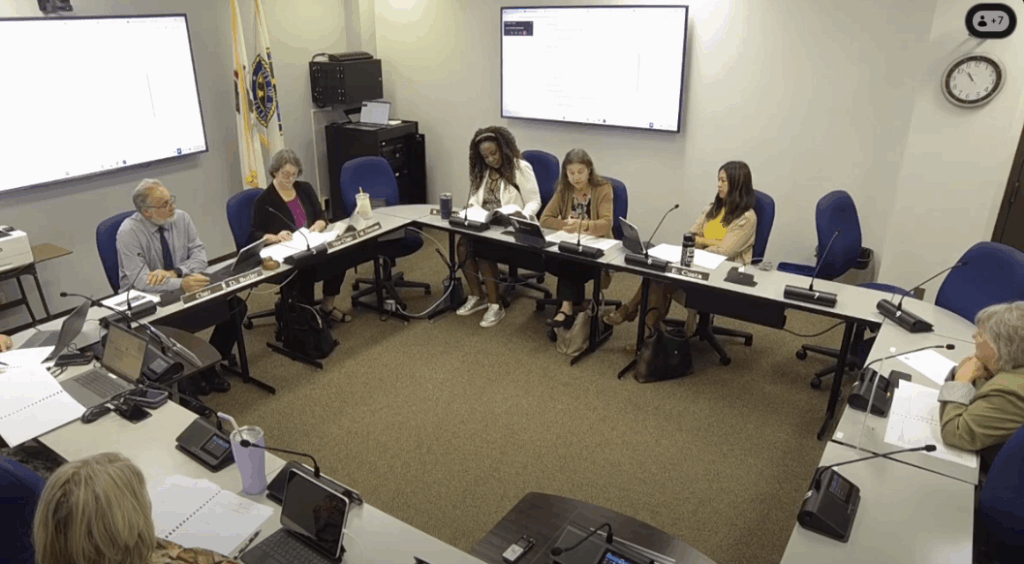
The committee approved the tax incentives, and Alderman Derrick Curtis, who chaired the hearing on Tuesday, expressed hope that the full council would approve the deal at its next meeting May 20.
Showers And Thunderstorms Likely
Latest News Stories
Will County Considers First Update to Wastewater Ordinance Since 2016
IDOT Plans to Invest Over $1.3 Billion in Will County Roads Through 2031
Committee Advances 50% Increase in Mental Health Levy on 4-3 Vote
Will County Poised to Launch Major Mental Health Initiative Based on Joliet Program’s Success
Looming State Energy Bill Threatens to Further Limit County Control Over Solar and Wind Projects
Controversial Immigrant Rights Resolution Postponed by Will County Board After Heated Debate
Will County’s Gas-to-Energy Plant Reports Nearly $460,000 Net Loss Amid Operational Setbacks
Will County to Draft First-Ever Policy on Artificial Intelligence Use
Will County Sees 50% Drop in Opioid Deaths, But Alarming Rise in Suicides
Will County Board Backs Effort to Rename ‘Stigmatizing’ Chicago Sanitary and Ship Canal
Access Will County Dial-a-Ride on Track for Full County-Wide Service in 2026
Divided Will County Board Authorizes Condemnation for 143rd Street Widening