Detroit border agents seize greatest volume of drugs at northern border
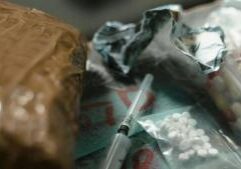
Over the past seven years, Border Patrol agents working in the U.S. Customs and Border Protection Detroit Sector have seized the greatest volume of drugs at the northern border.
The CBP Detroit Sector area of responsibility covers four states: Illinois, Indiana, Michigan and Ohio. It spans 863 maritime miles of international water boundaries as well as more than 3,800 miles of lakeshores and riverbanks.
Under the Biden administration, a record number of illegal border crossers were reported and apprehended, primarily in the Swanton Sector in Vermont, New Hampshire and upstate New York, The Center Square reported. However, drug and weapons seizures were higher in the Detroit Sector, CBP notes, with most seizures occurring inbound to Canada.
According to a General Accountability Office analysis of northern border security published this year, from fiscal years 2019 through March 31, 2026, Detroit Sector Border Patrol agents recorded 681 narcotics seizures, more than any of the other eight northern border sectors.
According to CBP data over the last two fiscal years, Detroit Sector Border Patrol agents averaged 150 narcotics seizures per year.
“Ours is a challenging environment, with both narrow waterways and the expansive Great Lakes, as well as high traffic corridors near major population centers and transportation routes that are attractive to smuggling and criminal organizations,” Border Patro Detroit Sector’s Acting Chief Patrol Agent Javier Geronimo Jr. said. “No matter the challenge, Detroit Sector agents continue to collaborate with our local, state, and federal partners to safeguard our communities and uphold the security of the United States.”
The GAO report analyzed eight sectors in 12 northern border states where Border Patrol agents are responsible for covering 4,000 land miles and 2,400 nautical miles, including the Great Lakes system, St. Lawrence River and Strait of Juan de Fuca. Norther Border sectors from west to east include Spokane, Blaine, Havre, Grand Forks, Detroit, Buffalo, Houlton and Swanton.
The top drug seized at the northern border, including in the Detroit Sector, was marijuana, followed by methamphetamine and cocaine, according to CBP data analyzed in the GAO report. Over the same time-period analyzed, Border Patrol agents reported a 137% increase in cocaine seizures and a 746% increase in fentanyl seizures, according to the data.
From 2019 to 2024, Border Patrol agents also reported a 495% increase in weapons seizures, primarily in the Detroit and Spokane sectors, with the majority of foiled attempts inbound to Canada, according to the data.
The seizures in Michigan are notable because Border Patrol agents are primarily patrolling waterways near major cities and highway corridors, CBP explains. They’re responsible for patrolling international boundaries in four Great Lakes (Erie, Huron, Michigan and Superior) as well as Lake Saint Clair and the Detroit, Saint Clair and Saint Mary’s rivers.
“The lakes and rivers which compose the international border in Michigan allow easy waterway access into the United States from Canada for nine months out of the year. During the rest of the year many of those waterways freeze over, impeding navigation by boat. In many places, however, ‘ice bridges’ are created which allow for illegal crossings by foot or snowmobile,” CBP explains.
Overall, Detroit Sector Border Patrol agents are responsible for covering 83 counties and 57,000 square miles in Michigan; roughly seven million acres of state and national forests in the northern half of Michigan’s lower peninsula and most of its upper peninsula; and 22,000 square miles in its lower peninsula.




Mostly Cloudy then Chance Showers And Thunderstorms
Latest News Stories

Jackson Township Prepares for Property Viability Pole Relocation, Addresses Northpoint Traffic Control
Manhattan School District Explores Alternative Transportation Amid Lincoln-Way Bus Challenges

Manhattan Ranked 6th Safest City in Illinois; Police Chief Warns of Traffic Accidents
Manhattan Township Assessor Initiates $13,500 Software Upgrade Amid Office Transition
Manhattan and New Lenox Renew Boundary Agreement Through 2046
Manhattan Board Approves Route 52 Safety Study and Multi-Use Path Engineering

State of the College: Local Legislators Bolster Student Support Services
Meeting Summary and Briefs: Public Health & Safety Committee for February 5, 2026

State of the College: Dual Credit Program Enrollment Hits 6,000 Students
Meeting Summary and Briefs: Finance Committee for February 3, 2026
Fairmont Neighborhood Plan Update Prioritizes Infrastructure and Beautification Following Demographic Shift
Health & Safety Committee: Monee Church Kitchen Project Highlighted in County Health Impact Report