Appeals court freezes tariff ruling, businesses keep paying
Two small businesses that won a court ruling against President Donald Trump’s tariffs must continue paying them for now, after a federal appeals court on Tuesday temporarily blocked the decision while it considers the administration’s appeal.
It’s the second time courts have allowed the administration to keep collecting tariffs a federal trade court found unlawful – the same pattern that played out when the Supreme Court struck down Trump’s earlier tariffs, leaving businesses waiting more than a year for refunds.
American businesses have paid about $8 billion in Section 122 tariffs since the proclamation took effect in February. The appeal could take months, and experts have said the case is likely headed to the U.S. Supreme Court.
The U.S. Court of International Trade, a specialized federal court that handles trade disputes, ruled 2-1 on May 7 that Trump exceeded his authority when he invoked a never-before-used provision of the Trade Act of 1974 to impose a 10% global import duty. The court found that the president relied on trade and current account deficits rather than the specific balance-of-payments measures Congress had in mind when it wrote the statute.
The ruling applied only to three plaintiffs – Burlap & Barrel, a New York-based spice importer, Basic Fun, a Florida-based toy company, and the State of Washington – allowing the government to continue collecting the tariffs from all other importers while the litigation proceeds.
The U.S. Court of Appeals for the Federal Circuit on Tuesday consolidated two appeals of that ruling and temporarily stayed the injunction while it considers the administration’s request for a full stay pending appeal. Plaintiffs have seven days to respond.
The Court of International Trade said Tuesday it will hold the administration’s separate stay request at that court in abeyance while the Federal Circuit considers the appeal. The trade court set a May 22 deadline for plaintiffs to respond to that motion.
Burlap & Barrel expected to pay about $60,000 in Section 122 tariffs over the 150-day period covered by the law, while Basic Fun, which imports toys and components from China, faced about $690,000 in tariff costs, according to court records.
The stay leaves the two businesses in the same position that confronted importers during the earlier tariff fight – paying taxes a court has found unlawful while waiting for an appeal to run its course.
VOS Selections, a New York-based wine importer, was the lead plaintiff in the earlier tariff case. The Liberty Justice Center confirmed Wednesday that VOS received $110,000 in refunds. The repayment came more than a year after the company first sued, illustrating how long importers can wait even after prevailing in court.
Jeffrey Schwab, senior counsel at the Liberty Justice Center, which represented the two businesses, said the administration would face little harm if the injunction remained in place for the three plaintiffs.
“On the other hand, it is extremely burdensome on our clients to have to pay the tariffs,” Schwab told The Center Square.
The administration argued in declarations filed in court Monday that suspending the tariffs would disrupt trade negotiations and trigger a surge in imports. U.S. Trade Representative Jamieson Greer warned in his declaration that if trading partners walk away from negotiations, “these negotiations may never resume.”
Commerce Secretary Howard Lutnick echoed that concern, warning that removing the tariffs during the appeal would cause immediate economic disruption that “cannot be repaired later.”
Meanwhile, the administration is pressing ahead with a separate round of tariffs under Section 301 of the Trade Act of 1974. Treasury Secretary Scott Bessent said in April the new tariff regime could take effect as early as July – around the same time the Section 122 tariffs are set to expire under the law’s 150-day limit. The administration has opened investigations involving 16 major U.S. trading partners, with hearings concluding last week.
Polling shows Americans remain divided on who ultimately pays tariffs. A March Center Square Voters’ Voice Poll found 42% of voters believe U.S. consumers bear most tariff costs, while just 12% said foreign countries primarily pay them.
Several economic studies, including analyses from the Federal Reserve Bank of New York, the Kiel Institute for the World Economy and Duke University, have similarly concluded that Americans pay nearly the entire cost of tariffs.



Showers And Thunderstorms Likely
Latest News Stories

District 114 to Overhaul Policy Updates with New ‘Press Plus’ Service
Lincoln-Way Board Weighs Community Solar Program Promising $155,000 in Annual Savings
Will County Reverses Zoning on Peotone Farmland to Facilitate 10-Acre Sale

Meeting Summary and Briefs: Joliet Junior College Board of Trustees for September 10, 2025
Manhattan Park Board Hires New Architect for Round Barn Buildout, Secures Annexation for Future Banquet Hall
Lincoln-Way 210 Board Approves $172.7 Million Budget with Planned Deficit for Bus Purchases
Manhattan School District 114 Approves $41.5 Million Budget for FY26
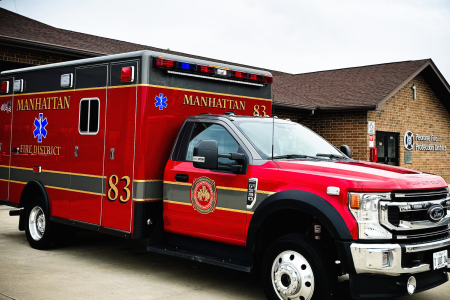
Manhattan Fire District Advances New Station with $8.75M Bond Hearing, Approves Contracts with $194,000 Savings

Will County to Pay Enbridge $82,000 to Relocate Pipeline Equipment for Exchange Street Improvements
Laraway Road Widening Project in New Lenox and Frankfort Gets Additional $468,000 for Redesign
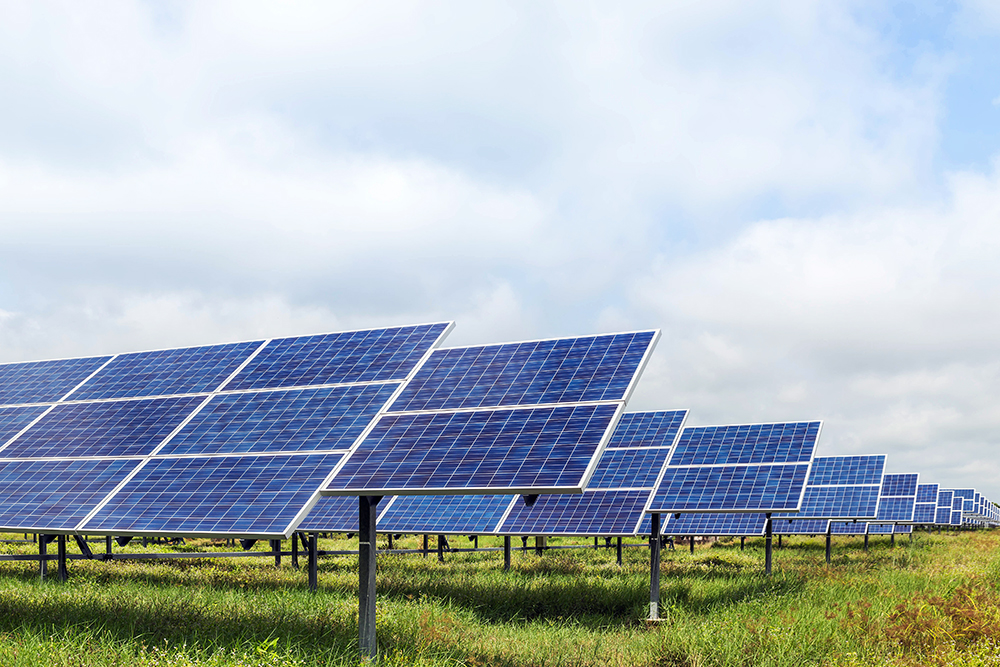
“Federal Policy Uncertainty” Blamed for Delay of Peotone Solar Farm; County Grants Second Extension
Will County Grants Extensions to Five Solar Projects Sold to New Developers