Op-Ed: The FAA’s O’Hare decision is a win for travelers – and for competition
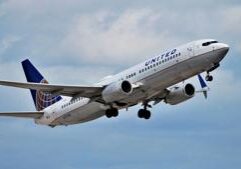
At Chicago’s O’Hare International Airport, one of the nation’s most critical travel hubs and a gateway for millions of passengers each year, United Airlines mounted a calculated effort to squeeze out competitors, threaten consumer choice, and drive up ticket prices. Fortunately, federal regulators saw through the strategy – and they didn’t let United get away with it.The Federal Aviation Administration recently issued an order to reduce the number of flights at O’Hare, a move that falls disproportionately on United’s schedule. The reason is straightforward: United had been deliberately scheduling frequent, low-demand flights to nearby cities – not because travelers wanted those routes, but to maximize gates and block rival American Airlines from expanding its footprint at the airport. This wasn’t a market strategy built around serving passengers. It was a scheme designed to protect turf.United’s CEO made the intention plain during a January earnings call, declaring that the airline is “not going to allow [American] to win a single gate at our expense” and vowing to “add as many flights as are required to keep our gate count the same in Chicago.” That’s a striking admission – an airline executive openly stating that the purpose of adding flights is not to serve travelers but to deny a competitor access to the market.The FAA’s order will strip United of roughly 200 flights at O’Hare this summer, creating room for genuine competition to flourish. And that’s exactly what should happen. Real competition in the airline industry means carriers earning customers the right way: by offering better service, greater reliability, more convenient schedules, and fair prices. It does not mean flooding an airport with undesired flights designed to wall off rivals and limit traveler options.Chicago’s stakes here are particularly high. As former U.S. Secretary of Transportation Ray LaHood has noted, Chicago is one of the last major American cities with a true dual-hub system, where two major carriers – United and American – actively compete to serve the same market. That competition is a genuine asset for travelers. It puts downward pressure on fares, incentivizes both airlines to improve operations, and gives passengers real alternatives when one carrier falls short. This dual-hub dynamic translates into lower costs and more options for everyday flyers.After failing to lock American out of O’Hare through gate manipulation, United pivoted to a different play: floating the idea of acquiring American Airlines outright. Rumors of a potential merger circulated for days. The speculation largely ended when President Donald Trump announced his opposition to any such deal. Taken together, United’s maneuvers – the low-demand flights, the gate strategy, the merger trial balloon – reveal a consistent pattern. None of it reflects a consumers-first approach. All of it points toward consolidation and reduced competition as United’s preferred path to market dominance.To its credit, the White House and the FAA responded decisively. Their actions send a clear message to the airline industry: you cannot game the system at passengers’ expense and expect to walk away unscathed. A functioning aviation market depends on a level playing field, free from the kind of anticompetitive gamesmanship United attempted at O’Hare.But the work isn’t finished. The gate allocation system at O’Hare has demonstrated real vulnerabilities. Regulators need to close those loopholes and establish safeguards that prevent any carrier, United or otherwise, from exploiting scheduling rules to crowd out competition in the future. Vigilance will be required. Airline markets can erode quickly when oversight lapses, and the gains made here could easily be reversed without continued attention.For now, though, there is genuine reason for optimism. The FAA acted proactively, preserved competitive balance at one of America’s busiest airports, and put down a marker that regulators are watching. Travelers heading through O’Hare this summer are more likely to find reasonable fares and reliable options because of that intervention.Competition works, but only when it’s protected. The federal government stepped in to do exactly that, and passengers are better off for it.
…




Chance Showers And Thunderstorms
Latest News Stories

Socialist candidate runs against Los Angeles mayor
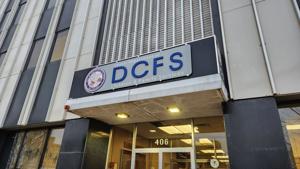
193 youth in care of Illinois’ child welfare agency missing in 2025

Hemp industry advocate promises to work with Pritzker, lawmakers
Bill would make health care sharing ministries tax deductible

HHS terminates Biden-era rule that rewarded doctors for ‘anti-racism’ plans

Average cost of family insurance nears $27,000 a year
U.S. House to vote on releasing the Epstein files
Vermont looks to encourage legal immigration pathways

Will County Committee Approves Rezoning, Denies Landfill Permit for Former Joliet Beach Club Site
FAA returns to normal operations after shutdown, launches probe

Illinois truckers back federal pause on non-domiciled CDLs, hope state follows suit

WATCH: DCFS updates missing children numbers; Budget cuts EO transparency criticized