IL biometric privacy suits say tech companies used broadcasters’ work to train AI
CHICAGO — Some of America’s biggest tech companies have been hit with class action lawsuits under Illinois’ stringent biometrics privacy law, accusing them of illegally using the voices of prominent Illinois broadcast journalists, voice actors, podcasters and others to train their AI text-to-speech and voiceover software systems and then use those systems to compete with the people whose work was used to train and create the systems.
Beginning May 11, attorneys with the firm of Loevy & Loevy, of Chicago, filed suit in Chicago federal court against Facebook- and Instagram-parent company Meta; Microsoft; NVIDIA; Google, Amazon and Apple.
The Loevy firm also added lawsuits against tech companies ElevenLabs, Adobe and Samsung.
The lawsuits were filed on behalf of a collection of Illinois professionals who earn their living based on their voices and their ability to speak, including podcasters, voice actors, and others.
Named plaintiffs in the lawsuits include: television journalist Carol Marin; radio journalist Phil Rogers; journalist and podcaster Alison Flowers; broadcaster and podcast creator Robin Amer; audiobook narrator Lindsey Dorcus; journalist and audio storyteller Yohance Lacour; and voice actor and audiobook narrator Victoria Nassif.
The lawsuits all accuse the companies of allegedly using their recorded works and their voices to train their artificial intelligence projects to “clone” human speech, generating potentially billions of dollars collectively in profits for the companies.
“None of the speakers whose recordings supplied the substrate of those products was asked,” the plaintiffs said in their complaint against ElevenLabs. “None was told. None was paid.”
The complaint asserts the companies’ actions violated the Illinois Biometric Information Privacy Act (BIPA) by failing to obtain written consent or notifying the plaintiffs and others of their use of their recorded voices in this manner. The lawsuits assert their unique so-called “voiceprints” are protected as biometric information under the BIPA law.
The lawsuits further assert the companies then used the trained AI speech programs to launch products designed to compete with the professionals and potentially put them out of work.
“The voiceprints cannot be recovered or replaced,” the plaintiffs said in their lawsuit against Apple. “The technology built on those voiceprints now displaces Plaintiffs in the markets where they earn their living.”
Further, the complaint says at least some of the companies allegedly improperly used professionals’ recorded voices, even after they had already been sued for other alleged violations of the BIPA law and lost hundreds of millions of dollars in settlements. These companies included Meta and Google, they said.
They further noted that some of the companies, notably Google, have also demonstrated their knowledge of the BIPA law by building its voice products that require written consent.
And they said the companies, such as Microsoft, further built safeguards into preventing the “downstream misuse” of their AI created voice products.
Yet the companies allegedly did nothing to ensure compliance with the notice and consent provisions of Illinois’ BIPA law and protect “the upstream voices it took to construct those products in the first place.”
“These companies know the law, know their liability, and know exactly how to build consent systems that comply with BIPA,” said Loevy attorney Ross Kimbarovsky, who is leading the lawsuits. “They’ve built a billion-dollar industry on stolen voices because they thought no one would make them pay for it.”
In addition to the BIPA claims, the lawsuits level counts for alleged violations of Illinois’ consumer fraud and deceptive practices law; Illinois’ Right of Publicity Act; and other counts.
The plaintiffs seek to expand the action to include a class of potentially thousands of others whose voice work was allegedly improperly used by the companies to train AI speech programs.
The lawsuits seek to extract potentially massive unspecified payouts from the companies, as they seek the damages allowed by statute, economic damages, restitution, and punitive damages, plus attorney fees.
They also seek court orders forbidding the companies from continuing their alleged illegal practices.
The companies have not yet responded to the lawsuits in court.





Partly Sunny
Latest News Stories
Manhattan Grapples with Route 52 Safety After Tragedy, Demands Action from IDOT

Manhattan Park District Ratifies Emergency Purchase of Bucket Truck for $36,500
Meeting Summary and Briefs: Will County Planning and Zoning Commission for October 21, 2025
Meeting Summary and Briefs: Will County Board Finance Committee for October 21, 2025
Meeting Summary and Briefs: Manhattan Fire Protection District for September 15, 2025
Future of Will County’s Cannabis Fund Debated Amid Budget Shortfall

Manhattan Fire District Earns Clean Audit, Hires Investment Manager
Meeting Summary and Briefs: Manhattan Village Board for October 21, 2025
Will County Health Department Pleads for $1 Million to Avert ‘Weakened Public Health System’
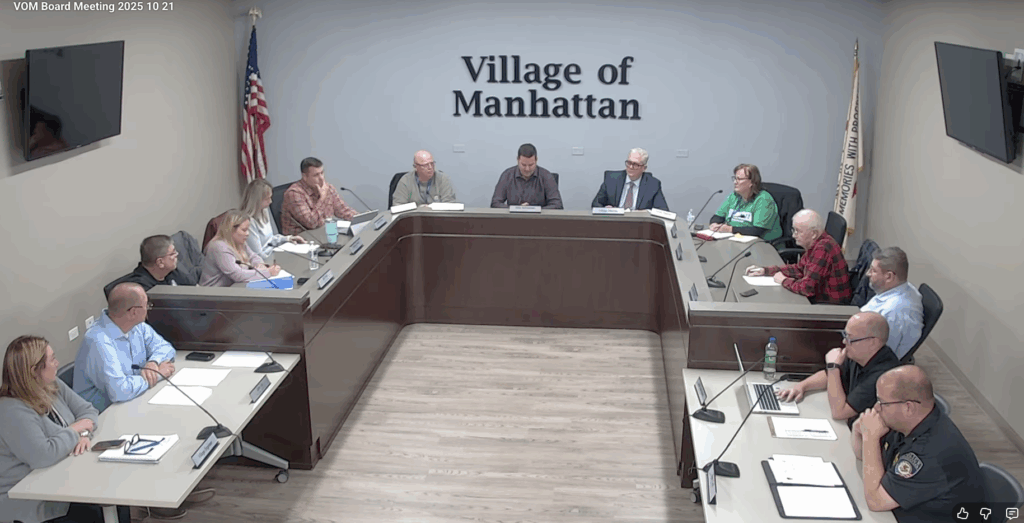
Manhattan Village Board Approves Water and Sewer Rate Hikes to Fund Future Infrastructure

Safety Upgrades Coming to Dangerous Route 50 and County Line Road Intersection
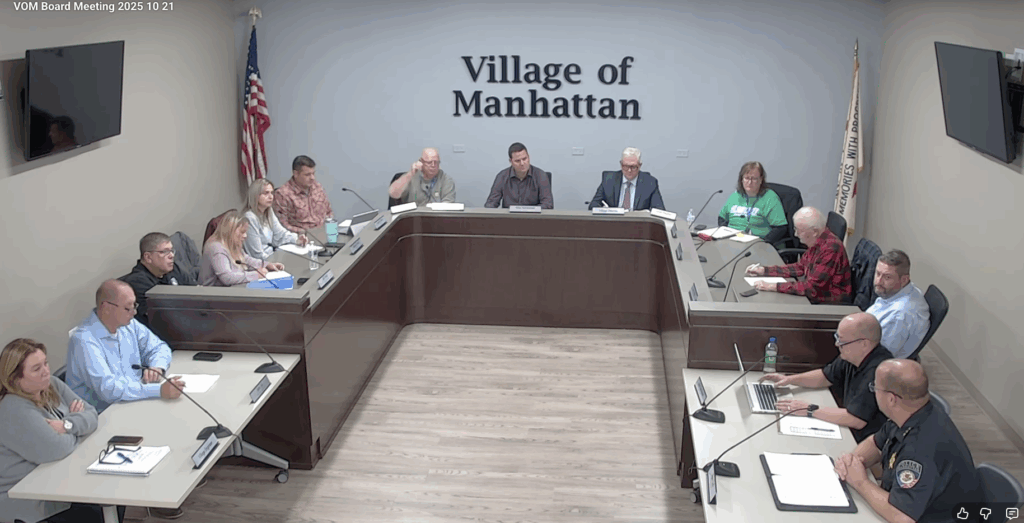
Manhattan Bans Retail Sale of Kratom, Citing Public Health and Addiction Risks
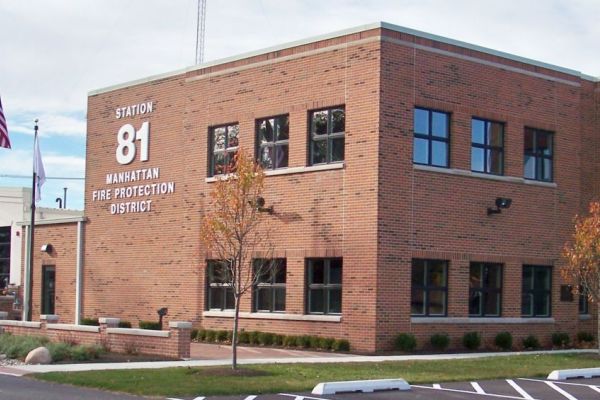
Manhattan Fire District Approves $8.75 Million Bond Sale for New Fire Station
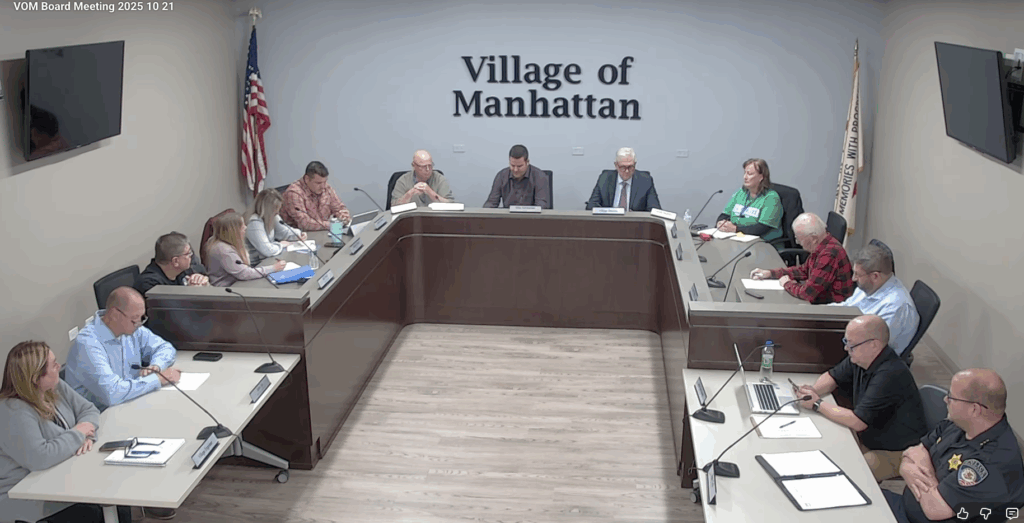
Manhattan Approves Annexation for 41-Home Butternut Ridge South Subdivision