$580B federal highway bill clears committee; includes rail safety, EV fees
A long-awaited bill spending $580 billion on American highways and transportation infrastructure is on track to hit the U.S. House floor for a vote as soon as June.
The bipartisan BUILD America 250 Act, a five-year surface transportation reauthorization bill, passed out of the House Committee on Transportation and Infrastructure early Friday morning.
The 1,000-page legislation makes the largest federal investment in bridges and provides new revenue for the dwindling Highway Trust Fund for the first time in more than 30 years. The HTF funds the maintenance, repair and building of U.S. highways and mass transit systems.
Out of the $580 billion authorized in the BUILD America 250 Act, $474 billion is guaranteed in immediate HTF contract authority. Congress must implement the remaining $106 billion via annual appropriations bills over the next five years in order for that money to be dispersed.
“You can’t have a big-league economy with little-league infrastructure,” committee Ranking Member Rick Larsen, D-Wash., said in a statement Friday. “The BUILD America 250 Act will create good paying jobs while restoring aging bridges, repairing crumbling roads, and supporting safe, accessible rail, transit and bike infrastructure.”
Railroad safety is a major bipartisan focus of the bill, which allocates $65 billion for the Federal Railroad Administration and directs federal agencies to conduct assessments of current rail track and workforce standards.
It also doubles maximum fines for both one-time and repeat railroad safety violations, from $25,000 to $50,000 and $100,000 to $200,000, respectively.
Those provisions, along with the last-minute inclusion of the Railway Safety Act, are in part a response to the derailment of a train carrying hazardous chemicals in East Palestine, Ohio, in 2023.
The Railway Safety Act would require at least two crew members on most freight trains and expand the use and physical placement of wayside defect detection technology.
It particularly targets trains carrying hazardous materials, such as vinyl chloride, by mandating improved braking systems and speed restrictions, among other measures.
The White House strongly supports the inclusion of the legislation, which closely resembles a bill that Vice President JD Vance, along with then Democratic Sen. Sherrod Brown, introduced during their terms as a U.S. senators for Ohio.
But the Association of American Railroads strongly opposes the bill due to the projected cost increase it would impose on the industry, and some Republican lawmakers hold similar concerns.
The BUILD America 250 Act includes plenty of Republican sweeteners, however, including the repeal of the Carbon Reduction Program and the Neighborhood Access and Equity Grant Program.
It also directs the Federal Highway Administration to require all states to collect an annual registration fee of $130 for electric vehicles and $35 for plug-in hybrid vehicles, with the fees increasing to a respective maximum of $150 and $50 in later years.
The fees are meant to replace the gas taxes that EV owners do not pay, as well as address the increased wear and tear EVs inflict on roadways. Depending on energy capacity, the battery within an EV can weigh anywhere from 300 to 3,000 pounds, according to ACE Battery.
Notably, the bill also addresses the rise of driverless vehicles by creating the first framework for autonomous commercial motor vehicles, which can include “robotaxis” and delivery trucks.
The Transportation Workers Union of America strongly supports the provision, with International President John Samuelsen calling it “a massive win for workers and the riding public.”
“The bill sets critically important guardrails for the next wave of autonomous vehicles and advances our top priorities: protecting the employment of our members and ensuring the Wild West chaos that has occurred with the roll out of robotaxis is not repeated,” Samuelson said.
“We’ve said from the very beginning that technology should assist Bus Operators, not recklessly replace them and throw them into unemployment. This bill is a big step forward in ensuring that people, working men and women, remain central figures in providing public transit and school transportation.”
Other organizations supporting part or all of the BUILD America 250 Act include the American Public Transportation Administration, American Trucking Associations, Owner-Operator Independent Drivers Association, American Council of Engineering Companies, and the American Cement Association.
Congress must pass the bill by Sept. 30, when the current U.S. surface transportation law expires. Given the current legislative backlog, however – which includes the Farm Bill, immigration enforcement funding, FISA 702 reauthorization, and more – lawmakers will likely have to pass an extension first.






Chance Showers And Thunderstorms
Latest News Stories

District 114 to Overhaul Policy Updates with New ‘Press Plus’ Service
Lincoln-Way Board Weighs Community Solar Program Promising $155,000 in Annual Savings
Will County Reverses Zoning on Peotone Farmland to Facilitate 10-Acre Sale

Meeting Summary and Briefs: Joliet Junior College Board of Trustees for September 10, 2025
Manhattan Park Board Hires New Architect for Round Barn Buildout, Secures Annexation for Future Banquet Hall
Lincoln-Way 210 Board Approves $172.7 Million Budget with Planned Deficit for Bus Purchases
Manhattan School District 114 Approves $41.5 Million Budget for FY26
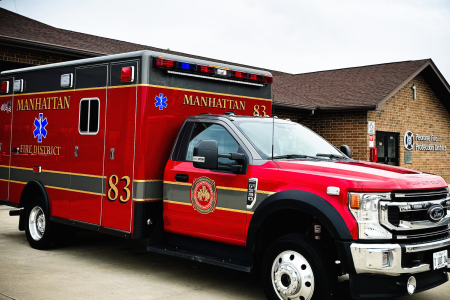
Manhattan Fire District Advances New Station with $8.75M Bond Hearing, Approves Contracts with $194,000 Savings
Will County to Pay Enbridge $82,000 to Relocate Pipeline Equipment for Exchange Street Improvements
Laraway Road Widening Project in New Lenox and Frankfort Gets Additional $468,000 for Redesign
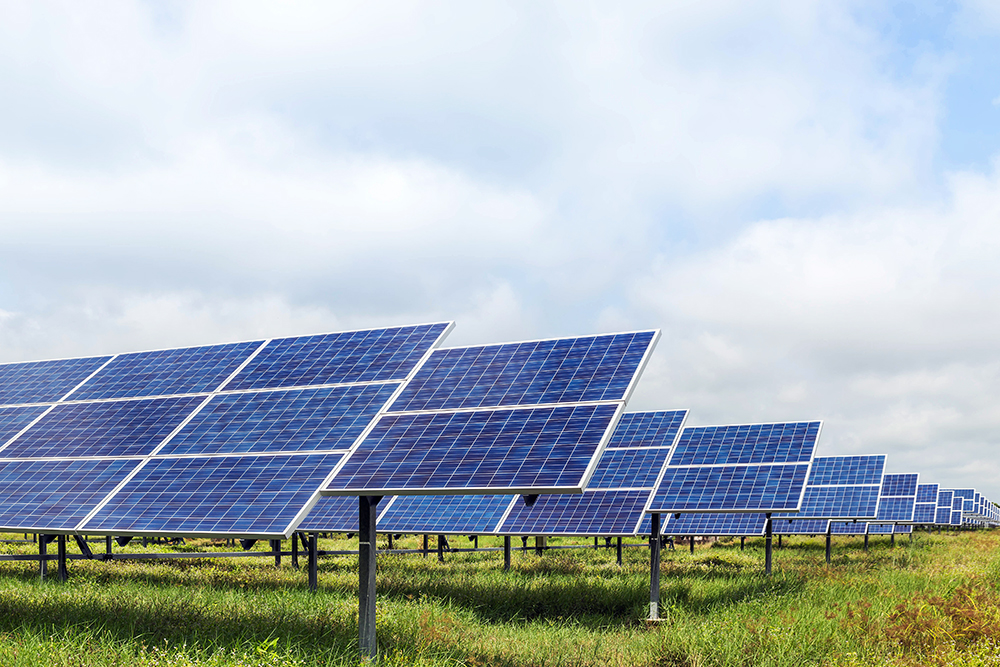
“Federal Policy Uncertainty” Blamed for Delay of Peotone Solar Farm; County Grants Second Extension
Will County Grants Extensions to Five Solar Projects Sold to New Developers