The future of American troops in Europe; Iran lead Rubio’s meeting with NATO
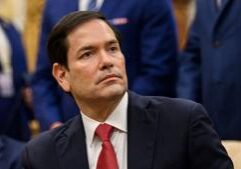
Defense spending, troop placement and Iran took center stage during a meeting between Secretary of State Marco Rubio and NATO leaders on Friday in Sweden.
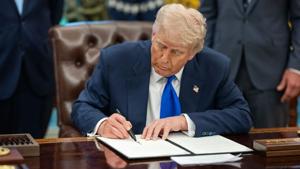
Rubio addressed the strained relationship between the U.S. and some NATO countries with respect to their lack of support for the U.S. operations against Iran, leading President Donald Trump to threaten the U.S. departure from NATO and pulling troops from some European nations.
“The president’s views, frankly, disappointment at some of our NATO allies and their responses to our operations in the Middle East are well documented. That will have to be addressed, but that won’t be solved or addressed today,” Rubio told reporters.
The secretary called the differences within NATO over cooperation a “challenge,” underscoring the different political dynamics and budgetary constraints impacting the alliance.
The secretary of state addressed concerns and discussions over U.S. troop placement throughout Europe, highlighting the president’s decision to move about 5,000 troops into Poland, citing the country’s friendly leadership towards the U.S.
Rubio criticized many NATO nations for their lack of defense spending, a long-time source of contention between Trump and NATO.
“Some countries are still lagging,” said the secretary of state.
Notably, Poland leads NATO nations in GDP spending in support of defense.
Rubio called into question the future of some American troops based in Europe following the president’s announcement of removing about 5,000 troops from Germany and considering removing American forces from Italy and Spain following a question from The Center Square last month.
“Bases in the region provided us logistical options that we wouldn’t otherwise have and when some of those bases are denied to you during a conflict that we’re involved in, then you question whether that value is still there…that will have to be discussed,” said the secretary of state.
Rubio acknowledged the U.S.’s “global commitments.” However, he emphasized the need to “reexamine” where the U.S. deploys troops, underscoring that “it is not a punitive thing, it’s just something that’s ongoing, and it was preexisting.”
Despite the conflict over defense spending and support among NATO partners, Rubio underscored the importance of working with allied nations to build a defense industrial base and foster cooperation among partners.
“One of the area where I think we definitely can cooperate on is a defense industrial base. It is clear to the world, to all of us in the alliance and beyond, that we simply are not able to produce munitions today at a rate that are necessary for future needs. That’s something that we can work together on. That’s something we want to work together on. I think it’s key, not just to production, but to interoperability,” said Rubio.
The secretary also addressed the ongoing conflict with Iran, appearing cautiously optimistic about progress in the talks to reach an agreement.
He reiterated the Trump administration’s messaging that “Iran cannot have a nuclear weapon,” while addressing the ongoing issue with Iran’s closure of the Strait of Hormuz.
He criticized Iran’s plan to create a tolling system in the strait, adding that the Islamic Republic is trying to work with Oman to collaborate on tolls. He warned that if Iran is successful, other countries would try to implement the same system in other waterways worldwide.
He put pressure on the UN to pass a resolution to prevent countries from implementing costly tolls on international waterways.





Partly Sunny
Latest News Stories

Federal panel proposes new definition for sports betting
Illinois Venezuelans face economic ‘double whammy’

Ohio’s social media parental consent law allowed to go forward
HUD secretary discusses housing affordability during Michigan visit

Will County Land Bank Clears Committee With Two Amendments
Will County Committee Advances $179,000 Coroner Cot Purchase
Israel-Hezbollah agree to ceasefire, U.S. official says

Illinois Quick Hits: Fuel price drops below $4.25, still higher than in 2025

California’s billionaire tax officially heads to Nov. 3 ballot

Los Angeles County on track to raise sales tax to 10.25%

EXCLUSIVE: Individual targeted in foiled UFC terror plot speaks out

Disability-rights advocates sue Illinois over physician-assisted suicide law