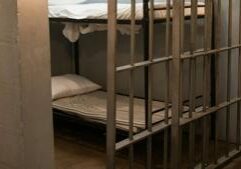
Bill to let felons vote from prison draws criticism from Republicans
(The Center Square) – Some Democrats and electoral rights groups want progress on legislation in Springfield that would give people in prison across the state the ability to vote just weeks after being convicted of a felony or lesser crime.
Some in favor of the bill cite the Illinois Constitution, which says an incarcerated person must have their right to vote restored by the completion of their sentence, leaving room for the legislature to decide when before release that is.
House Bill 5414 would allow felons and other people in prison to have their voting rights restored just 21 days after conviction.
Stevie Valles, executive director of Chicago Votes, told lawmakers that the initiative is a continuation of legislation passed in a previous session, which turned Cook County Jail into a polling site. He further defended the legislation.
“This speaks to how this increases our civic health as a society,” Valles said. “This will restore the voting rights to roughly 55,000 people in Illinois.”
House Minority Floor Leader Rep. Patrick Windhorst, R-Harrisburg, critically questioned the proposal.
“There are some concerns from myself and those opposed to the bill about allowing those who are convicted, serving a prison sentence, having the same rights as those who were the victims in the cases for which they’re serving these sentences,” Windhorst said.
Windhorst went on to say he believes in the concept that when someone is serving a sentence, they are paying their debt to society.
Valles defended the intent of the bill amid the concerns.
“A lot of rights for people who are incarcerated are taken away. This bill is just saying that voting rights shouldn’t be one of those rights,” Valles said.
Valles continued and said that the state leads the nation in exoneration rates, and many incarcerated people are sentenced on plea deals, which he tied to being a result of economic inequality.
Continuing the hearing, proponents explained that the bill would allow convicts to vote in the district they lived before conviction via a mail-in ballot.
Bill sponsor Rep. Justin Slaughter, D-Chicago, said the variety of questions posed by lawmakers on both sides of the bill are valid, and he feels it important to consider the benefits post-release.
“These are still people, and you’re still keeping alive the fact that this particular individual still has an opportunity to be positive and productive,” Slaughter said.
Though the bill has not moved in the legislature aside from an informative hearing, proponents said they are requesting the legislature to consider placing the text within a larger omnibus package – which means the bill could pass without being put through the regular legislative process.





Chance Showers And Thunderstorms
Latest News Stories

Consensus for power supply solution still elusive

Digitization of aviation supply chain an opportunity to ascend out of 1950s

Zoning Cases in Crete and Manhattan Townships Postponed to December 16

Will County Commission Approves New Lenox Variances, Overriding Staff’s Denial Recommendation

‘Classic impasse’ for Chicago aldermen debating proposed taxes, spending cuts
Lincoln-Way 210 Board Approves Tentative 2025 Tax Levy with 4.57% Increase

Texas authorities arrest men for violent crimes after illegally entering as minors

WATCH: Gun ban cases and the Supreme Court; English and CDLs; Don Tracy eyes Senate

Illinois quick hits: Madigan disbarred; taxpayers subsidize medical debt relief
Will County Executive Committee to Hash Out Budget Cuts Following Levy Reduction

Meeting Summary and Briefs: Manhattan Township for September 9, 2025

Inflation-adjusted teacher salaries drop despite record spending on public education