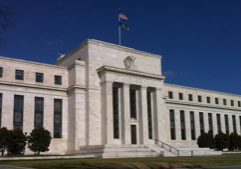
Everyday Economics: History doesn’t repeat, but the Fed Is hearing an echo
Read this week’s Fed minutes carefully and you’ll hear 1970s.The Fed has stopped debating when to cut. Now it’s debating whether to hold higher for longer — or hike again. A majority of officials said firming could become appropriate if inflation keeps running above 2%. Several said cuts still make sense if disinflation resumes or the labor market cracks. That split is the whole story.Inflation is moving the wrong way. PCE rose 3.5% in March, up from 2.8% in February. Core hit 3.2%. Two supply shocks are still working through the system: tariff pass-through and the energy spike tied to the Strait of Hormuz.Supply shocks don’t hit households all at once. Input costs rise. Firms eat them, margins compress, and eventually they push prices up to defend those margins. That’s when the squeeze jumps from income statements to grocery bills. Consumers are spending more dollars that buy less.Hence the 1970s comparisons – which are half right.The rhyme isn’t another inflation crisis. It’s that the Fed is again fighting inflation it can’t actually fix. Monetary policy can’t pump oil, cut freight costs, or unwind a tariff. It can only crush demand. Blinder’s classic read of the decade found the 1974 and 1979–80 spikes came mostly from special factors – food, energy, mortgage costs, the end of price controls – not the underlying trend. The trap was accommodation: let the shock reset wage- and price-setting, and “special” becomes permanent.So watch expectations, not the headline print.They’re flashing yellow. The New York Fed’s April survey put one-year expectations at 3.6%, up from 3.4%. But three-year held at 3.1% and five-year at 3.0%. The five-year breakeven sits near 2.6% – elevated, not a 1970s de-anchoring. Households feel the pump. They don’t yet believe inflation spirals. That buys the Fed time. It doesn’t buy permission to ignore the risk.Here’s what makes the path narrow: the labor market looks tighter than it feels.Unemployment is low. Layoffs haven’t surged. But hiring has collapsed. The hires rate fell to 3.1% in February – matching the April 2020 pandemic low – before bouncing to 3.5% in March. The Great Recession floor was 2.9%. This is not an overheating economy. It’s low-hire, low-fire. A rate hike wouldn’t land on a boom. It would land on a market where hiring already stalled.That’s the real 1970s lesson, and it isn’t “hike on every oil shock.” The Fed’s mistake then was letting repeated shocks get baked into inflation psychology. The mistake available now is the opposite: hiking into supply-driven inflation before labor demand has actually turned back up.Markets raise the stakes. The 1973–74 bear took the S&P down nearly 50%. Today’s market runs on AI optimism and rich multiples – exactly what breaks when discount rates stay high. Housing rhymes too. In the early ’80s, mortgage rates blew past 18% and nominal home prices barely dipped, while real prices fell hard. Rates hit affordability, volume and mobility long before they hit the sticker. Rates are already high. The market is already stuck. Another shock wouldn’t find a boom here either.So this week’s Personal Consumption Expenditures report matters less as a number than as a test. An inflation bump due to energy and tariffs? The Fed can wait. Bleeding into services, wages and expectations? Different problem.The economy is still standing. But the echo is loud – and the cost of misreading it cuts both ways.Is the Fed more afraid of the 70s, or of being the one who hiked into the slowdown?




Sunny
Latest News Stories

Election 2026: Prisoners in historic release by Cooper consistent in pattern

Secretary of State says insurance reforms are not political
Details show Speaker delayed lawmaker misconduct action

Man suspected of using ‘incendiary device’ arrested outside NYC immigration court

Gubernatorial candidate calls for leadership overhaul, prison reforms

U.S. Supreme Court to hear Alaska plane confiscation case
Illinois news in brief: Chicago police review Illinois Accountability Commission report; Granite City man sentenced for transporting minor in sex assault case; Report finds Illinois’ AI careers rank 34th in nation

Service member killed in action; remains found in search for one missing

Second family welcomes baby boy

Everyday Economics: Falling gas prices helped keep consumers spending

Illinois may bring early warning of toll costs ahead of proposed rate hike
Illinois senator says True Value move highlights business climate concerns