Build America 250 Act would help Uber, Lyft with lawsuits
A federal law that preempts lawsuits against rental car companies based on the negligence of the drivers may be extended to ride-share and on-demand delivery companies such as Uber, Lyft and DoorDash.
Last week, the House Committee on Transportation and Infrastructure approved the Building Unrivaled Infrastructure and Long-term Development for America’s 250th Act, which includes a version of the Graves Amendment that applies to ride-share and other app-based delivery services.
The Graves Amendment was codified in 2005 to fight a growing wave of lawsuits holding rental car companies liable for injuries caused by the drivers of rental cars. That amendment provides that a rental car company cannot be held liable under theories of state liability for harm caused by a renter unless the rental company was negligent or engaged in criminal wrongdoing.
Before the Graves Amendment, state-law theories of strict and vicarious liability allowed plaintiffs injured in car accidents to successfully sue rental car companies based solely on the fact that the company rented a car to the driver who caused the accident. The Graves Amendment preempted these suits.
But the Graves Amendment has never been updated for the arrival and growth of app-based ride sharing and delivery services, which has allowed plaintiffs to rely on the same old theories of strict and vicarious liability to sue the likes of Uber, Lyft and DoorDash based on the negligence of the drivers and even where the companies were not negligent themselves.
State courts in California, New York and Washington routinely treat app-based ride sharing and delivery companies as the employers of the drivers, exposing them to vicarious liability for the actions of drivers even though those drivers are not employees but independent contractors.
These lawsuits have increased costs for customers of Uber, Lyft and on-demand delivery services, according to Rep. Vince Fong, R-Calif., who introduced the BUILD Act amendment that would prevent claims of vicarious liability against ride-share companies.
“Roughly one-third of a ride-share fare in California, and nearly one-half in Los Angeles, goes toward government-mandated insurance costs,” Rep. Fong noted.
The Taxpayers Protection Alliance estimates that “Americans take more than 4 billion trips using ridesharing platforms each year, but runaway litigation has resulted in rapidly escalating costs. Lawmakers need to end this tort tax and protect consumers against trial lawyers.”
The BUILD Act, as amended, is targeted at stemming these costs and would preempt lawsuits against app-based ride share and delivery companies so long as the companies were not “grossly negligent” under state law and “did not commit criminal wrongdoing.”
“This amendment helps reduce transportation costs by curbing limitless, frivolous litigation against ride-share companies,” Rep. Fong explained.
Introduced on May 19, the House Transportation and Infrastructure Committee approved the BUILD Act by a vote of 62-2. It heads next to the full House for a final vote and, if passed, advances to the Senate.
“Congress took an important step toward addressing the excessive litigation and legal profiteering that make life more expensive for consumers and local businesses, but there is more work to be done,” said Tom Stebbins, executive director of the Lawsuit Reform Alliance of New York.
“Modernizing the Graves Amendment to cover ride-sharing platforms will protect against fraudulent claims and abusive lawsuits that increase costs across the system.”
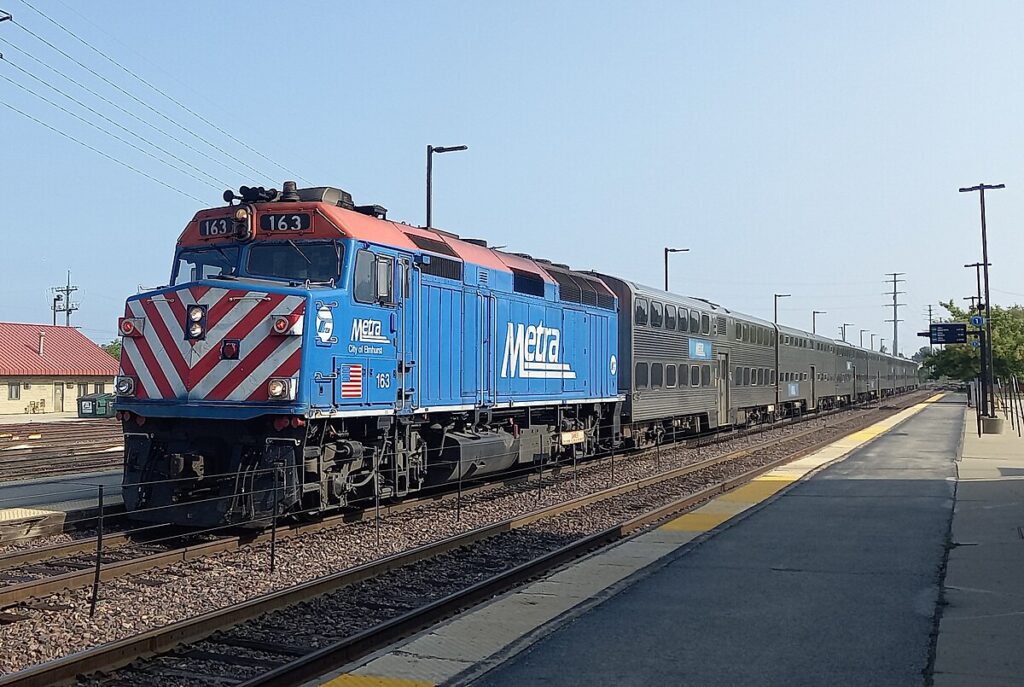
The Build America 250 Act is aimed at investments in road, bridge, transit, rail and highway programs.





Partly Sunny
Latest News Stories

Meeting Summary and Briefs: Public Works & Transportation Committee for December 2, 2025

Land Use & Development Committee forwards Women’s Residential Recovery Center
District 114 Ranks High in Will County for Math and Reading Growth
Will County Board Members Question Fairness of New Transit Tax Structure
P&Z Commission Advances Plan for Construction Debris Fill Operation on Brandon Road
Regional Transit Agencies Tout New State Funding, Prepare for Shift to ‘NITA’
Manhattan School District 114 Board Approves 2025 Tax Levy; Plans Abatement to Maintain Tax Rate
Meeting Summary and Briefs: Village of Manhattan Board of Trustees for December 2, 2025

New Lenox Used Car Dealership Approved by Land Use & Development Committee

Land Use Committee: Monee Solar Projects Granted Extensions; Battery Storage Plans Dropped
P&Z Commission: New Women’s Recovery Center Proposed for Patterson Road Receives Support

Ogalla Blasts New State Solar Legislation