Drug-discount program likely to expand in Illinois, despite lax oversight
(The Center Square) – An initiative to expand a federal program that provides drug discounts to hospitals and clinics in Illinois has been met with pushback as it nears passage.
Opponents have said the program doesn’t effectively pass savings onto patients and lacks much-needed financial transparency on how the savings are used.
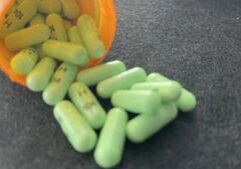
The Federal 340B program is an agreement for drug manufacturers that take part in Medicaid to provide discounts to participating clinics and hospitals, often rural, who in-turn are supposed to use savings to reduce costs for patients, provide charity healthcare and more.
As part of the program, participating hospitals and clinics typically charge a patient’s insurance the market-rate of a prescription drug they bought at a discount – leading to a wider profit margin.
A bill to require transparency on how that revenue is used by healthcare providers was discussed in the House Executive committee Tuesday, sponsored by state Rep. Camille Lilly, D-Oak Park.
The ‘340B Transparency, Reporting, and Accountability Act,’ was created with support from some stakeholders, and would provide more clarity as to where profits are made and who is benefitting from the program.
“The goal is to provide policymakers with a clearer understanding of program operations, existing gaps and challenges, areas where improvements are needed,” Lilly said. “This legislation is about accountability, transparency, and protecting access to health care for Illinois’ most vulnerable residents.”
Illinois Central Management Services released a memo that detailed costs of the program to Illinois employers, including the state for its employee insurance benefits.
The memo also revealed that much of the revenue from the program is not always used as intended by Congress.
The transparency-focused bill received support from multiple organizations, who spoke in favor of the bill’s aim – despite their opposition to a bill to expand the program in the state, which the transparency bill is partly reliant on.
John Conrad, speaking as a representative of the Illinois Biotechnology Innovation Organization, or IBIO, said he doesn’t support the measure because a portion is tied to the expansion measure.
“This legislation is about accountability, transparency, and protecting access to health care for Illinois’ most vulnerable residents,” Conrad said. “We should not alter a multi-billion dollar federal program affecting patients, employers, taxpayers without clear and forcible independent reporting in place.”
Peter Fotos spoke on behalf of the Pharmaceutical Research and Manufacturers of America, or PhRMA. He reflected Conrad’s points, but also noted that this late in the legislative session the proposal is being taken up, it will be difficult to pass, let alone have an impact on the expansion.
“The 340B program was created to help certain low income and uninsured patients access their medicines, but a lack of oversight and guard rails has allowed the program to drift afar from that mission,” Fotos said.
Other organizations, such as the Illinois Health and Hospital Association, have argued the expansion of the program already includes measures aimed at transparency, and much of the profits made as a result of the program are used for high operational costs across the state, which falls under the scope of the program.
The expansion of 340B is likely to be passed by the legislature shortly, as only four days remain of this year’s session.





Mostly Sunny
Latest News Stories
Manhattan Grapples with Route 52 Safety After Tragedy, Demands Action from IDOT
Manhattan Park District Ratifies Emergency Purchase of Bucket Truck for $36,500
Meeting Summary and Briefs: Will County Planning and Zoning Commission for October 21, 2025
Meeting Summary and Briefs: Will County Board Finance Committee for October 21, 2025
Meeting Summary and Briefs: Manhattan Fire Protection District for September 15, 2025
Future of Will County’s Cannabis Fund Debated Amid Budget Shortfall
Manhattan Fire District Earns Clean Audit, Hires Investment Manager
Meeting Summary and Briefs: Manhattan Village Board for October 21, 2025
Will County Health Department Pleads for $1 Million to Avert ‘Weakened Public Health System’
Manhattan Village Board Approves Water and Sewer Rate Hikes to Fund Future Infrastructure

Safety Upgrades Coming to Dangerous Route 50 and County Line Road Intersection
Manhattan Bans Retail Sale of Kratom, Citing Public Health and Addiction Risks
Manhattan Fire District Approves $8.75 Million Bond Sale for New Fire Station
Manhattan Approves Annexation for 41-Home Butternut Ridge South Subdivision