State absenteeism change follows lowered academic benchmarks
(The Center Square) – Months after lowering academic proficiency benchmarks, the Illinois State Board of Education has changed its rating system for public school attendance.
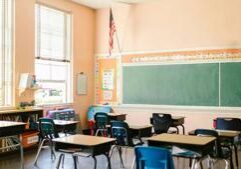
Twent-five percent of Illinois students were chronically absent last school year, higher than the national average of 22%. Students are considered chronically absent if they miss 10% or more of the school year.
Illinois Policy Institute Manager of Education Policy Hannah Schmid said the board’s decision last month to change the metric could confuse parents.
“If a school has high student attendance, their rating will rise, but schools where lots of students are missing will no longer be dinged on the school rating system,” Schmid told The Center Square.
Schmid said parents might wonder what schools are potentially trying to hide.
“We see that 25% of students are chronically absent, so making this switch and no longer letting a school be dinged for these high rates of absenteeism should concern parents, especially in a year when we already saw the state lower the proficiency benchmarks for students,” Schmid said.
The state board of education changed its assessment performance levels last summer.
“The new, unified levels correct long-standing misalignment between Illinois’ state assessments and other real college and career readiness expectations,” ISBE said in a statement.
Schmid said, even after the changes, just half the state’s students are proficient in reading and even fewer are proficient in math.
“So this is not the time for the state to be removing that metric from its school ratings when it is such a problem in our public schools,” Schmid said.
Although some parents and teachers union leaders have expressed concerns about large class sizes in schools, high absentee rates indicate smaller class sizes on many school days.
“When you consider how many students are actually showing up on a daily basis, it just goes to show that students in Illinois public schools are not being engaged effectively in a way to ensure that they’re showing up to class,” Schmid said.
Schmid said the change in attendance rating would not affect school funding.
The Illinois Policy Institute found last year that Illinois’ education budget increased by nearly $4 billion over the last decade, while the number of students enrolled in public schools decreased by about 177,000 during the same period.



Mostly Sunny
Latest News Stories

Illinois tax proposals dampen decline in small business uncertainty index

JJC Board Approves Grundy County Land Purchase Amid Heated Debate

‘Trouble in Toyland’ report sounds alarm on AI toys

Manhattan Fire District Approves Final Bid for New Station Landscaping

Manhattan Township Officials Question Solar Farm Tax Revenue Estimates
Support Staff Urge Lincoln-Way 210 Board for ‘Fair Contract’ During Public Comment

When was the first Thanksgiving? It’s actually up for debate

Spirit of Thanksgiving in Galveston: Resilience, rebirth, renewal out of rubble
Feds criticized for excluding health care from student loan caps

Two National Guard members shot near White House

Trump election interference case in Georgia dismissed

New park fee for foreign tourists could generate hundreds of millions