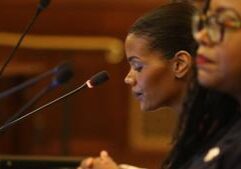
Illinois lawmakers give raises to diversity commissioners they criticized
(The Center Square) — State lawmakers failed to reform the Illinois Commission on Equity and Inclusion this legislative session despite bipartisan criticism of its performance and calls to disband it.
Moreover, the seven highly paid commissioners who lead it are getting raises along with numerous other executive branch appointees, and their requested $5.6 million budget was approved.
The budget allocation and pay increases were included in the early Monday morning votes to ratify a new, $55.9 billion state budget.
And they belie the considerable critiques that lawmakers aired during public budget hearings in recent months. House lawmakers initially said they intended to summon the commission’s staff for a third hearing to continue their questions, but that didn’t happen.
Lawmakers have seized on The Center Square’s investigation of the commission to question their salaries of about $150,000, given that they are allowed to work side jobs for extra pay and have overseen a sizable decline in the number of businesses owned by racial minorities, women and people with disabilities that are certified by the state.
Certified businesses are preferred for state contracts. The primary goal of the commission — which was created in 2022 — is to increase the amount of state contract money that is awarded to the businesses.
State Rep. Brad Halbrook, a Shelbyville Republican, said it was wrong to approve more money for the commissioners without further review. He is among those who want to eliminate the commission.
“Lawmakers were asked to fund an agency without receiving the additional scrutiny and answers that many members believed were necessary,” he told The Center Square. “In a state facing significant fiscal challenges, that is not how responsible budgeting should work.”
No Republicans voted to approve the new budget.
Pay bumps for all
The commissioners are receiving raises of about $5,000 apiece. Most will have salaries of about $153,000.
Commission chairperson Nina Harris will have a salary of more than $160,000.
Before the budget vote in the House, Rep. Norine Hammond, a Macomb Republican, spoke against pay increases and the creation of new high-paying government jobs while state leaders struggle to fund all of their spending.
“Certainly not an austere budget when we are creating new positions, paying these individuals anywhere from $150,000 to $200,000 a year,” Hammond said as the budget debate was ongoing on the House floor. “And not only that, we are also going to give all of you a raise.”
“Congratulations,” she added, dryly, before asking her colleagues to reject the budget.
The Center Square’s investigation has found that the number of certifications has dropped by nearly half during the relatively short tenure of the commission, and that the commissioners have less responsibility than other paid board members who are required to treat their positions as full-time.
There is no similar requirement for the diversity commissioners, and most of them have worked side jobs, often earning thousands of dollars in addition to their state salaries. Harris, the commission’s chairperson, recently disclosed that she has not stopped working for her previous employer since she left the job in 2021.
State lawmakers have contemplated barring the commissioners from having paid side jobs, but no action was taken this legislative session despite the bipartisan disgruntlement.
“I know you say we’re heading in the right direction, but I’m telling you that business owners that we are talking to are not saying that,” Sen. Elgie R. Sims Jr., the Senate Democrats’ appropriations leader, said during a budget hearing in early April.




Partly Sunny
Latest News Stories

Accounting analyst: SEC should examine Illinois pension funding

Illinois Quick Hits: Chicago man arrested in connection with planned attack at White House

Costar shareholders re-elect directors, resist external pressure

Trump accuses Iran of violating ceasefire after drone attack on cargo ship
Legislature takes more measures against firms opposing redomiciling in Texas

Mistrial declared in federal Palisades Fire arson case

Attorney: Supreme Court leaves path for property owners
Ex-cops blast Chicago mayor’s new agency

Illinois Quick Hits: Chicago reports increased visitor spending

Federalist Society panel takes on third-party lawsuit financing
Illinois to see 4 new consumer protection laws enacted

Illinois SNAP error rate rises; Pritzker blames Trump