Debt burden, pensions burden Chicago Public Schools
(The Center Square) – The author of a new Civic Federation report says taking on more debt would be a death knell for the stability of Chicago Public Schools.
Danny Vesecky, senior research and policy associate at the Civic Federation, is the author of “Understanding Municipal Debt: A Case Study of the Chicago Public Schools.”
The report found that CPS’s estimated $9.3 billion in outstanding debt is high compared to peer school districts, and its below-investment-grade credit rating significantly increases borrowing costs.
Vesecky said the district considered a short-term loan to cover operational costs last year.
“It’s something that would, I think, really be a death knell for the district’s stability,” Vesecky told The Center Square.
The report said most of CPS’ individual issuances of debt are severely backloaded, resulting in a steadily climbing debt load.
Vesecky said more debt would make future deficits even worse.
“It would probably have severe impact on CPS’s credit rating, which is already junk status, and it could easily send the district on a path to a real level of fiscal insolvency that we haven’t yet seen,” Vesecky said.
Vesecky said CPS is making decisions on a short-term basis when they should be long-term in nature.
“And in so doing, in every individual year, it’s sort of triaging somewhat emergency circumstances. But in the long term, it’s potentially not saving itself as much money as it could be by managing its debt in a better way,” Vesecky said.
Vesecky said CPS has a very large amount of unfunded pension liability, or debt that has to be paid back over the next three decades.
“Last year, the district’s budget was about $10 billion, and it picked up about $300 million in pension costs,” Vesecky said.
CPS budgets have increased by more than 50% over the last decade.
According to a separate report by the Civic Federation, CPS’ adopted budget appropriations increased from $6.4 billion in fiscal year 2016 to $9.9 billion in fiscal year 2025.
CPS proposed a $10 billion budget for next school year, with a projected deficit of $732.5 million.
The largest revenue source for CPS in the current fiscal year is a property tax levy of $4.2 billion, followed by evidence-based funding from state of Illinois taxpayers at $1.8 billion.
The district is also funded by tax increment financing surpluses, state taxpayer-funded pension support and money from federal taxpayers.
Vesecky said the state of Illinois pays for about one-third of pension costs in Chicago and about 98% of those costs for other districts.
“It’s a pretty wide discrepancy,” Vesecky said.
State taxpayers have provided more assistance to CPS since the state enacted its evidence-based funding formula in 2017.
Vesecky’s report said debt management must be part of the solution for CPS to achieve structural balance and improve its long-term fiscal outlook.
“Functionally, backloading debt can crowd out future non-debt spending, contribute to capital backlogs like the one CPS faces, and eventually become unsustainable,” the report stated.






Patchy Fog then Slight Chance Showers And Thunderstorms
Latest News Stories

JJC Board Censures Trustee Broderick Twice, Denies Request to Restore Good Standing

Will County Board Compromises on Mental Health Levy, Approves $10 Million After Debate

Green Garden’s Wildflower Farm Granted Second Extension for Rural Events Permit
Will County Board Rejects Proposed Tax Hike, Approves 0% Levy Increase in Contentious Vote
Will County Awards $10.4 Million Contract for Bell Road Widening Project
Regional Office of Education Highlights School Safety, New Learning Programs in Update
New Lenox Solar Farm Proposal Advances with Conditions, Following Village and Forest Preserve Input

Meeting Summary and Briefs: Will County Board for October 16, 2025
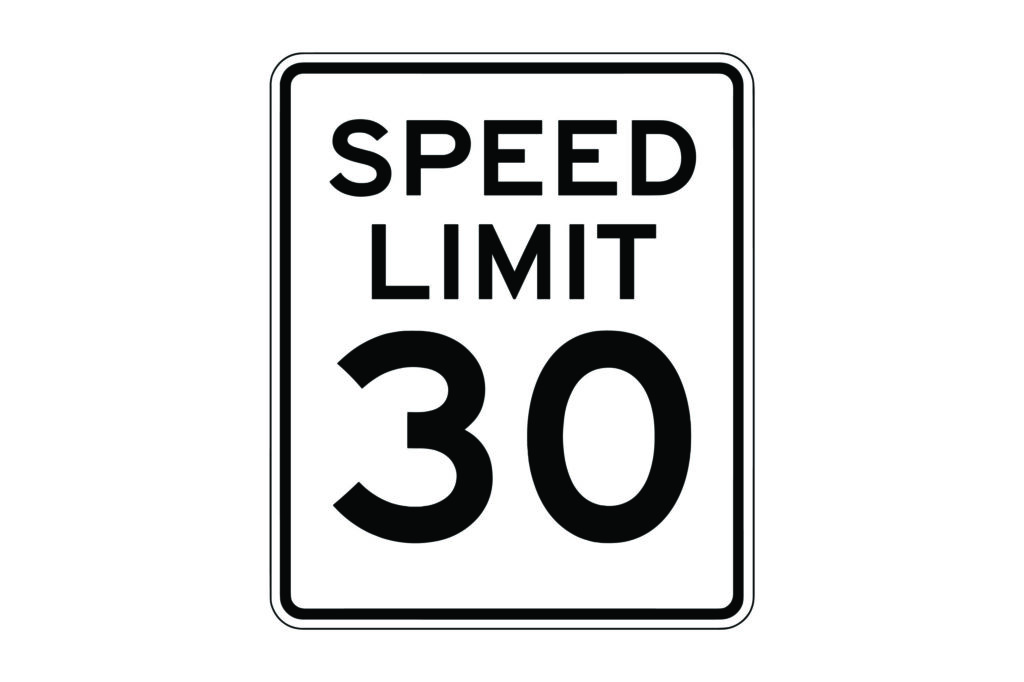
Will County Board Approves New 30 MPH Speed Limit for Frankfort Township Road
Will County Committee Grapples with $8.9 Million Budget Gap After Contentious 0% Tax Levy Vote
Frankfort Township Board Objects, but County Commission Recommends Bar with Video Gaming
Senior Shared Housing Facility Recommended for Approval in Crete Township