WATCH: Trump acknowledges Iranian hardliners could jeopardize deal
Still hopeful the U.S. and Iran can strike a deal on its nuclear program, President Donald Trump acknowledged Wednesday that the volatility inside Iran, not certain hardliners, could sabotage a potential deal.
During an executive order signing in the Oval Office on Wednesday afternoon, The Center Square asked the president if he is concerned the Islamic Revolutionary Guard Corps, widely recognized as hardliners within the now-disjointed government, could sabotage an Iranian deal.
Trump will not rule it out, citing the government and the multiple leadership changes since Operation Epic Fury began Feb. 28.
“Anything can happen, you know, when you’re dealing with Iran, but when you’re dealing with other countries, but that’s a very volatile part of the world, probably the most volatile part of the world, the people are volatile,” Trump told The Center Square. “The leadership, you see, what’s going on. We’ve gone through three teams of leadership.”
The president reiterated prior warnings on conducting drastic strikes against the Islamic Republic, but said he prefers to pursue a diplomatic solution.
“We could go another two, three weeks and just wipe everybody out. I’d rather not do that. Very easy to do. They’re ready to do. They want to do it. They want to do it, but if we can get something down in writing, which will accomplish the same thing without killing everybody, I’d like to do that. Most of my people, I think, would like to do that. Some people wouldn’t, but most of them would,” said the president.
Trump briefly touched on the recent exchanges of fire between the U.S. and Iran despite an ongoing ceasefire.
Tuesday evening, Iran targeted American allies and bases, including Kuwait and Bahrain, striking Kuwait’s International Airport, injuring several civilians. The president still appears optimistic that a deal will be made, saying they are close.
“In theory, they’re pretty close to signing the paper. We’ve actually gotten along with them very well. And you know what you saw for the last few nights, it takes two to tango. You understand that we hit them very hard on something else, unrelated, and so they were responding, but not very strongly,” said Trump.
The president also briefly addressed the impact the conflict with Iran has had on the American economy, defending his economic policies, pointing to the stock market, despite rising gas prices since the conflict began.
“We had the strongest stock market in history, and I said we have no choice, we have to do it. I knew it would affect it, but I was very happily surprised when I saw that today we hit another stock market high. I mean, we have the highest stock market in history with a military conflict going on, or a war – some people call it war, some people call it a military. It’s not a big thing for us,” said the president.
Trump maintains negotiations are ongoing despite the recent skirmishes, telling reporters that time is on America’s side as the naval blockade against Iranian ports continues to cost the Iranian economy up to $500 million a day.



Mostly Sunny
Latest News Stories
Manhattan Fire District Approves $8.75 Million Bond Sale for New Fire Station
Manhattan Approves Annexation for 41-Home Butternut Ridge South Subdivision
Manhattan Residents Voice Fears Over Traffic Safety, Water Use Amid Regional Growth

Meeting Summary and Briefs: Lincoln-Way Community High School District 210 for October 16, 2025
Meeting Summary and Briefs: Manhattan School District 114 for October 8, 2025
Meeting Summary and Briefs: Village of Manhattan for October 7, 2025
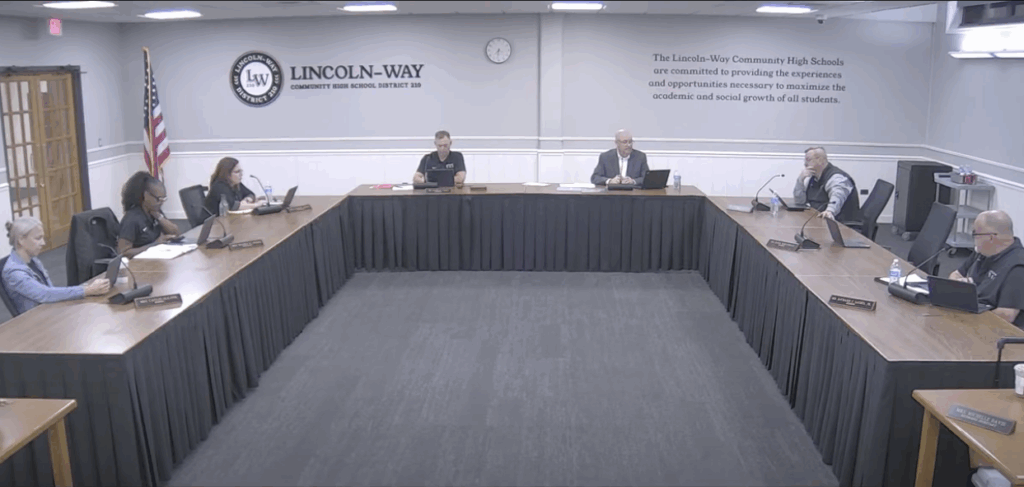
Lincoln-Way to Purchase New Buses, Add Smaller Vehicles to Address Driver Shortage
Meeting Summary and Briefs: Jackson Township Board September 2025
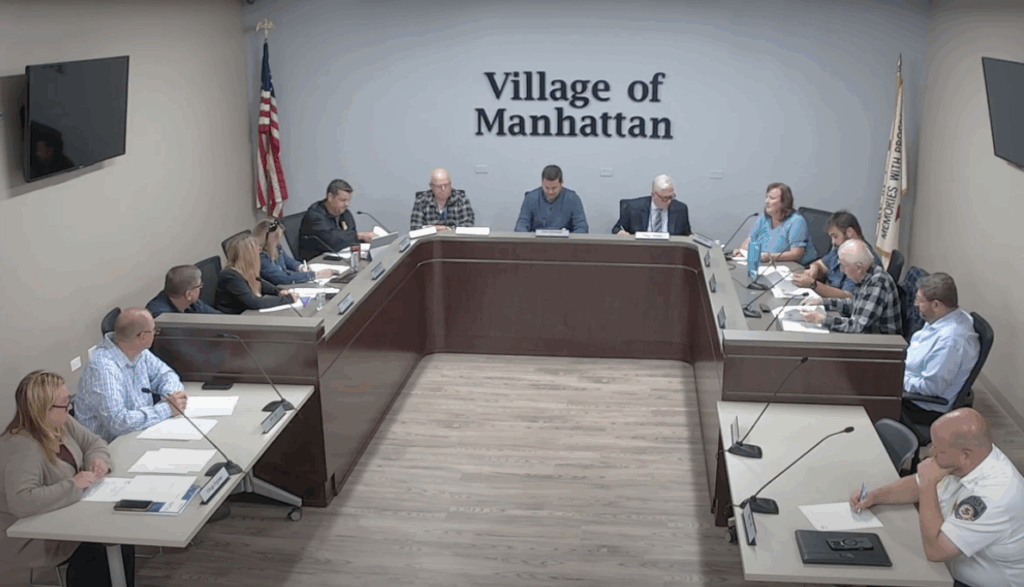
Manhattan Seeks $250,000 State Grant for Safe Routes to School Program
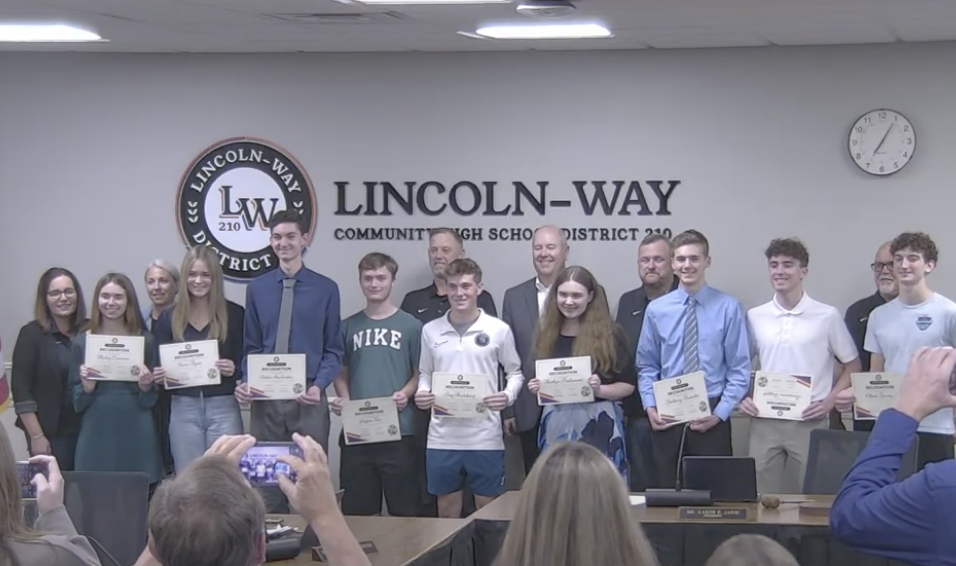
Lincoln-Way Board Honors Students with Perfect ACT Scores, Music Educator of the Year
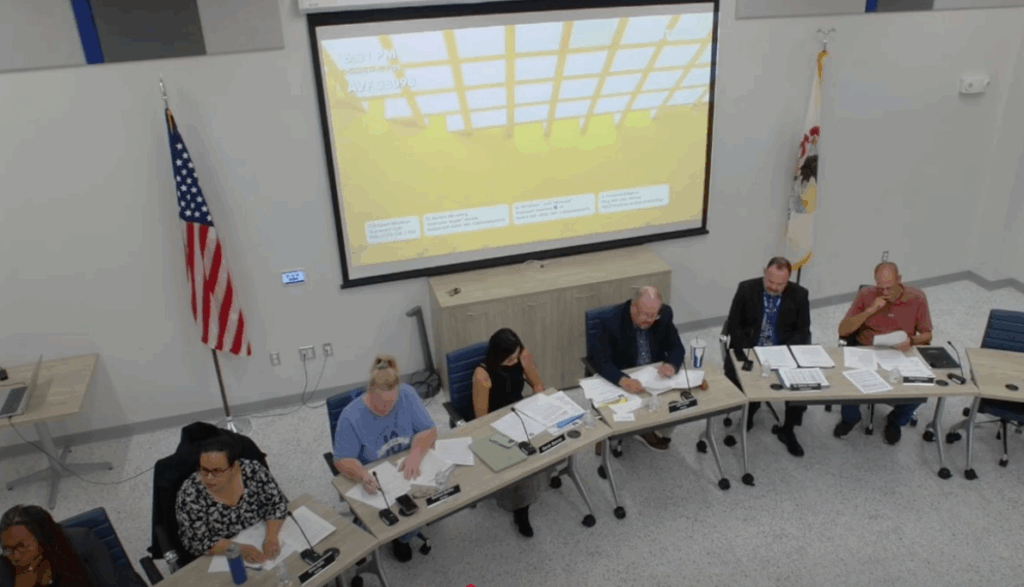
Manhattan 114 Reviews Fall Student Benchmark Data, Sees Strong Growth