Alcohol tax amendments may be unconstitutional
(The Center Square) – Illinois government officials have proposed amending the way the state taxes alcohol, but the changes may not be constitutional.
The 2026 Illinois Register Rules of Governmental Agencies is seeking to update definitions of the various categories that differentiate types of alcohol.
Jacob Macumber-Rosin, excise tax policy analyst with the Tax Foundation, said the proposed changes are intended to align the administrative code with current statutes in the Liquor Control Act.
“The Department of Revenue has collected taxes using a rate that is different from what is in the administrative code and different from what is in the statutes, and they’re now attempting to update the administrative code to align the administrative code to the statute,” Macumber-Rosin told The Center Square.
Macumber-Rosin said Illinois’ alcohol taxes have been messy since a 1988 state Supreme Court ruling struck down the tax scheme at the time. He said the court stressed the need for the legislature to establish tax rates that comply with the state’s constitutional mandate.
“It does not seem like they did that,” Macumber-Rosin said, adding that the state could face costly legal challenges if the new code is actually enforced.
According to the Tax Foundation, 0.5% alcohol-by-volume bourbon-infused ice cream would be taxed more than 1,000 times as much as alcohol in 14% ABV beer under the proposed amendments.
Macumber-Rosin said Illinois taxes alcohol on a categorical basis, defining products by how they are made while trying to accommodate the state’s uniformity clause.
“There’s compliance and administration costs of dealing with all this unnecessary complexity and the unclear treatment of some products,” Macumber-Rosin said.
Macumber-Rosin said the optimal way to tax alcohol is by volume, levying a tax directly on the alcohol content of alcoholic products.
“That’s sort of the way to modernize the alcohol structure. That would be sort of the better way that they should do it, I should specify, although I might also specify that the responsibility of doing that really rests with the legislature, not the administrative code,” Macumber-Rosin said.
The next meeting of the Joint Committee on Administrative Rules is scheduled for June 16. No Department of Revenue items were on the agenda as of Thursday.




Showers And Thunderstorms Likely
Latest News Stories
Most Americans say U.S. heading in the wrong direction, poll finds

Balmer pleads guilty to attempted murder of Pennsylvania governor

Cook County officials warn property tax reform could hurt homeowners
Maine Gov. Janet Mills officially launches U.S. Senate bid
Illinois quick hits: Poll finds mixed reviews for Trump; posthumous medal for Kirk; transit fare increase proposed

AARP under fire after $9 billion payment from UnitedHealthcare revealed
WATCH: Trump: Pritzker should ‘beg;’ Veto Session begins as Madigan reports to prison
Meeting Summary and Briefs: Will County Board Public Health & Safety Committee for October 2, 2025
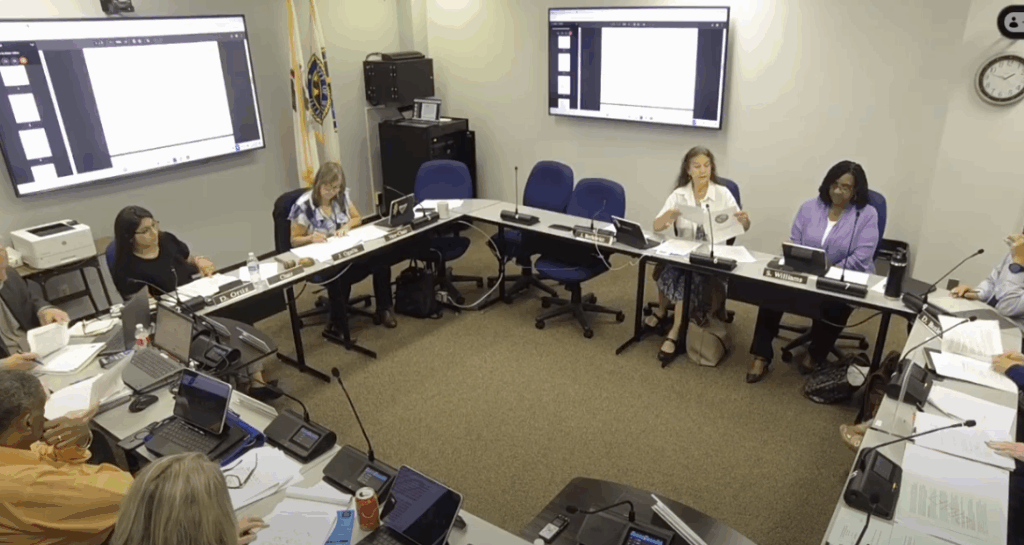
Will County Shapes 2026 Federal Agenda, Prioritizing Health, Housing, and Workforce Funding

WATCH: Trump: Pritzker should beg for help with public safety in Chicago
L.A. congresswoman insists on health insurance tax credits

Newsom threatens university funding over Trump’s education deal

Former Los Angeles schools chief runs against city’s mayor