Fishermen advocate begins campaign against offshore wind, ‘industrializing’ of the ocean
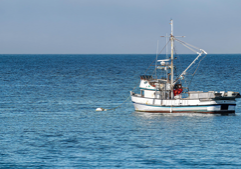
(The Center Square ) – The New England Fishermen’s Stewardship Association began a campaign to bring attention to what it says is a radical climate activism’s “industrializing” of the ocean through green energy agendas and the disastrous effect such objectives have on commercial fishermen’s livelihoods.
President of the fishermen advocacy Aaron Williams told The Center Square that his organization’s campaign “is intended to bring attention to the growing concerns many commercial fishermen, seafood producers, and coastal communities have regarding the rapid expansion of offshore wind development in productive fishing grounds.”
The campaign includes mobile billboards around Washington D.C. during Ocean Week displaying phrases such as “They call it green energy…we call it INDUSTRIALIZING THE OCEAN” and “Thank you President Trump for defending commercial fishermen against offshore wind!”
Ocean Week is an annual ocean and Great Lakes policy conference.
Williams told The Center Square that “by placing mobile billboards during Capitol Hill Ocean Week, we hope to ensure that policymakers, environmental organizations, and the public hear directly from the people whose livelihoods depend on access to healthy oceans.”
Williams noted that “for years, fishermen have warned that large-scale industrial development of the ocean will displace fishing activity, increase operational costs, impact marine ecosystems, and threaten America’s domestic seafood supply.”
“When productive fishing grounds are converted into industrial energy zones, the consequences can ripple far beyond coastal communities,” Williams said. “The average American may never step aboard a commercial fishing vessel, but they benefit every day from the food, jobs and economic activity generated by our nation’s fishing industry.”
“Reduced access to fishing areas can affect domestic seafood production, increase dependence on imported seafood, raise costs throughout the supply chain, and place additional pressure on working waterfronts and small businesses that support the industry,” Williams said.
Williams stressed that “this issue is not a choice between supporting clean energy and protecting fisheries.”
“NEFSA supports responsible stewardship of our natural resources and recognizes the need for diverse energy solutions,” Williams said. “Our concern is that federal regulators have too often minimized or dismissed the legitimate concerns raised by fishermen and coastal communities.”
“We believe policymakers should pursue an approach that protects both environmental goals and the long-term viability of domestic seafood production,” Williams said.
“Once fishing grounds are industrialized, the impacts may be difficult or impossible to reverse,” Williams said.






Partly Sunny then Chance Showers And Thunderstorms
Latest News Stories
District 210 Reports Insurance Deficit Amid National Healthcare Cost Spikes; Finances Remain Stable

Planning Commission Backs 5-MW Peotone Solar Farm; Developer Pledges Pollinator Habitat and Community Funds

Joliet Junior College Board Approves $2 Tuition Increase Amidst Heated Debate Over Enrollment and Spending
Lincoln-Way Board Ratifies Three-Year Support Staff Contract with Significant Hourly Raises
Manhattan Township Weighs Hall Rental Fee Increase to Cover Professional Cleaning Costs
Jackson Township Prepares for Property Viability Pole Relocation, Addresses Northpoint Traffic Control
Manhattan School District Explores Alternative Transportation Amid Lincoln-Way Bus Challenges

Manhattan Ranked 6th Safest City in Illinois; Police Chief Warns of Traffic Accidents
Manhattan Township Assessor Initiates $13,500 Software Upgrade Amid Office Transition
Manhattan and New Lenox Renew Boundary Agreement Through 2046
Manhattan Board Approves Route 52 Safety Study and Multi-Use Path Engineering
State of the College: Local Legislators Bolster Student Support Services