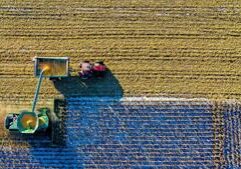
Flooding, weather events impact farmers, taxpayers
(The Center Square) – Federal and state government agencies have announced assistance plans for farmers impacted by severe weather and flooding, but some producers may not want help.
The U.S. Department of Agriculture said on June 26 that agricultural operations in Illinois have been significantly impacted by severe weather and tornadoes.
The agency said technical and financial assistance is available to help farmers recover.
“Crop insurance and other USDA risk management options are offered to help producers manage risk, because we never know what nature has in store for the future,” said Mitchell Zipprich, Director of USDA’s Risk Management Agency Regional Office that covers Illinois.
On Thursday, state officials announced disaster tax relief in 11 counties covered by Gov. J.B. Pritzker’s recent disaster proclamation.
Taxpayers in the impacted counties may request a waiver of penalties and interest if severe weather prevents them from filing tax returns or making payments on time.
Dave Stark is president of agriculture at Holganix, a regenerative agriculture company.
Stark said many farmers don’t want government money.
“They would rather do it on their own. But farming is, as you just said, you never know. Is there a normal year anymore? What’s normal? And that’s been true my whole 43-year career in agriculture. That’s always been a wild card, the weather,” Stark told The Center Square.
Dan Meyer planted his 40th crop this year near Tuscola in Douglas County.
“We’ve had to change. We had places in our fields for both corn and soybeans that flooded out, where the water just stood for so long that, eventually, the crops drowned out,” Meyer told The Center Square.
Meyer said his son planted about 100 acres of soybeans in April but didn’t get back into the field for almost a month because of rain.
Then, after crops were planted in May, parts of Illinois had record rainfall in June.
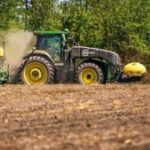
“On Friday, July 3rd, I went back out and planted five flooded-out areas once more with an old tractor and small planter of soybeans. It’s really too late to try and plant any corn now,” Meyer said.
Meyer said he could still have a decent crop if the weather is agreeable in July and August.
“But if we would hit a drought period or something like that, it could be pretty tough on the overall yields,” Meyer said.
Stark said Illinois is blessed with some of the best corn ground on Earth, but corn is more susceptible than soybeans to weather and erosion.




Sunny
Latest News Stories

‘We leave no American behind’: President Trump details Easter rescue of downed airman

Michigan charges dentist in alleged ‘massive’ Medicaid fraud scheme

Illinois bill sparks debate over police privacy vs. public access
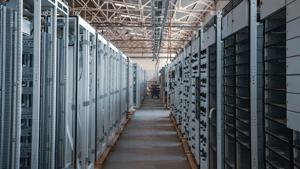
Signature process begins to ban large data centers in Ohio

U.S. Supreme Court agrees to hear veteran’s benefits challenge

Supreme Court declines to hear challenge to Illinois public transport gun ban
Illinois Quick Hits: Report says Pekin Bowling Center ‘taxed out of business’
Tiffany vows to end subsidies for data centers in Wisconsin
Public Works Secures $58,900 Valve Trailer, Seeks Federal Grants for Infrastructure

JJC Trustee Alleges Board Exclusion, Discriminatory Policies During Tense Meeting
Firefighter age bill stalled despite union backing

County Board Members Pitch “Granny Flats,” Hobby Farm Zoning, and Farmland Mitigation in LRMP Brainstorm