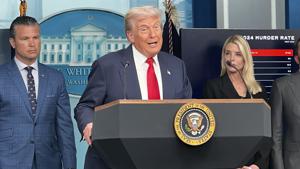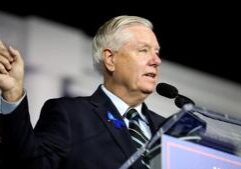
Sen. Lindsey Graham dies after sudden illness
South Carolina U.S. Sen. Lindsey Graham, one of President Donald Trump’s strongest allies in the U.S. Senate and a former presidential candidate, died Saturday night after a brief illness, a statement from his office said.
He was 71.
“On the evening of Saturday, July 11, U.S. Senator Lindsey Graham passed away from a brief and sudden illness. Senator Graham’s family appreciates prayers at this time and asks for privacy during this incredibly difficult period,” a statement from his office said.
On social media, Trump called Graham a true patriot.
“Senator Lindsey Graham, one of the greatest people and senators I have ever known, is dead! He was always working, and was a true American Patriot. Lindsey will be greatly missed!!!!” Trump wrote.
Graham, first elected to the Senate in 2002, was running for reelection.
His political career began in 1996 in the U.S. House of Representatives as the first Republican to win in the South Carolina 3rd Congressional District since 1877.
Graham ran for president in 2015 in a crowded Republican primary field that included then-Florida Gov. Jeb Bush, then-Sen. Marco Rubio, Sen. Ted Cruz and Trump.
He dropped out of the race six months after announcing his candidacy.
The South Carolina native was an Air Force veteran, serving as a lawyer for six years, and served in the South Carolina Air National Guard until 1995.




Patchy Fog then Sunny
Latest News Stories
Report: average American to receive $3,752 tax cut in 2026 due to OBBBA

Republican, Dem work to prevent deportation of entrepreneur
Nevada superintendent says ICE won’t enter schools
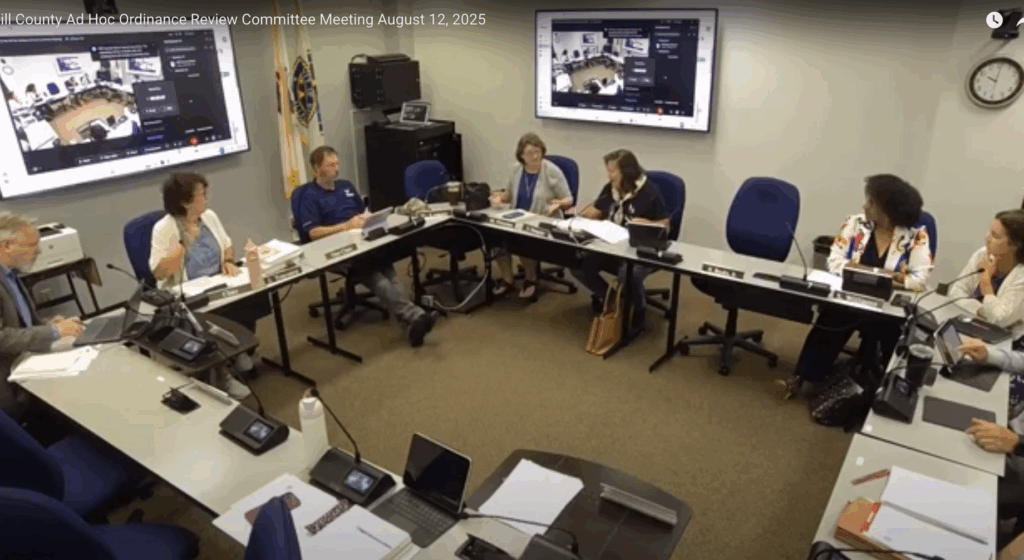
Will County Updates Solid Waste Ordinance, Increases Fines and Reporting to Landfill Committee
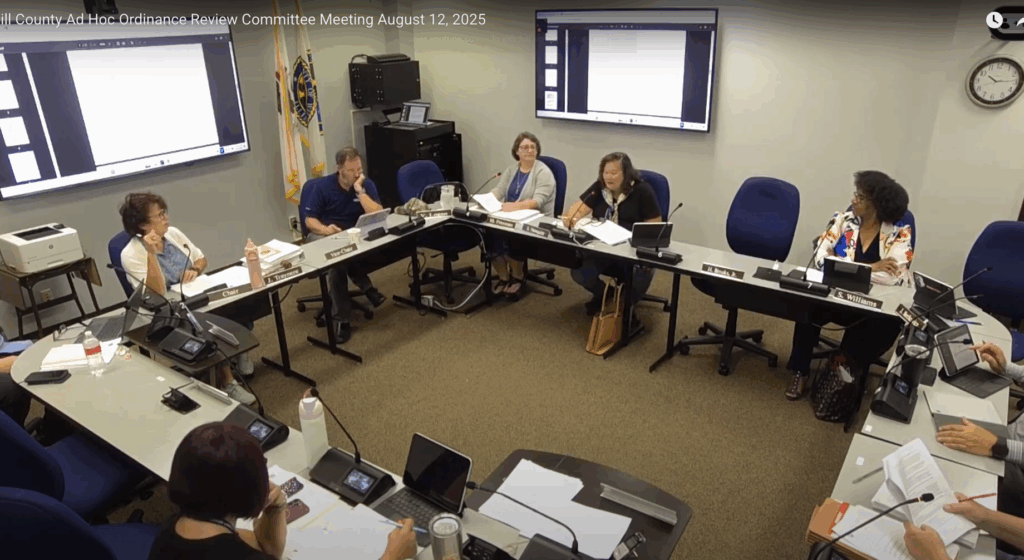
Citing Liability Concerns, Will County Committee Postpones Vote on Septic System Ordinance
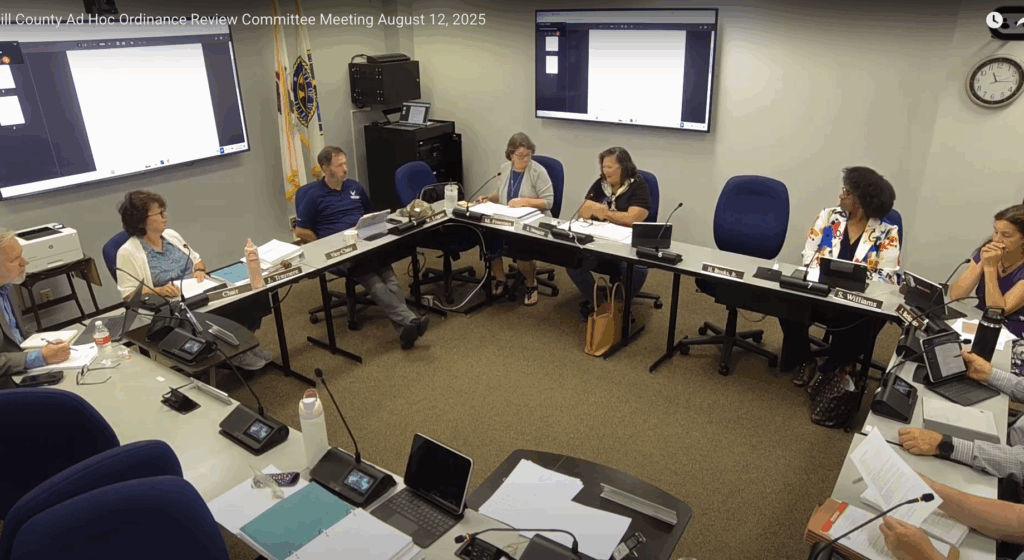
Will County Moves to Repeal Obsolete 1972 Fire Hydrant Ordinance
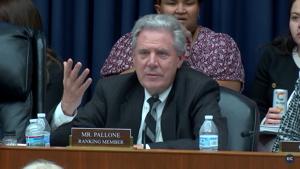
MAHA-style bill would close food additive safety loophole
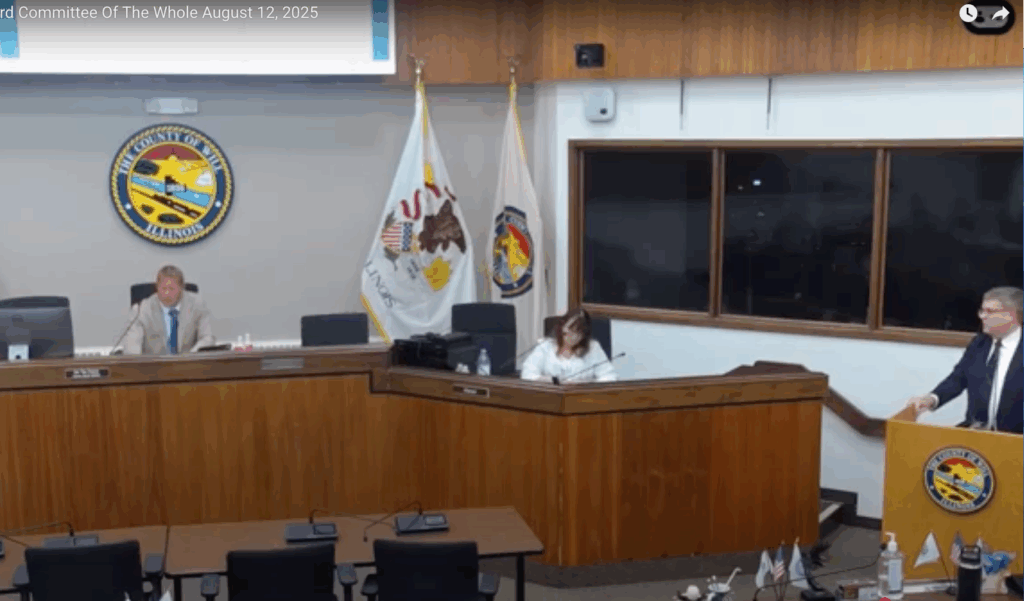
Will County Board Gets Back to Basics with Robert’s Rules of Order Training
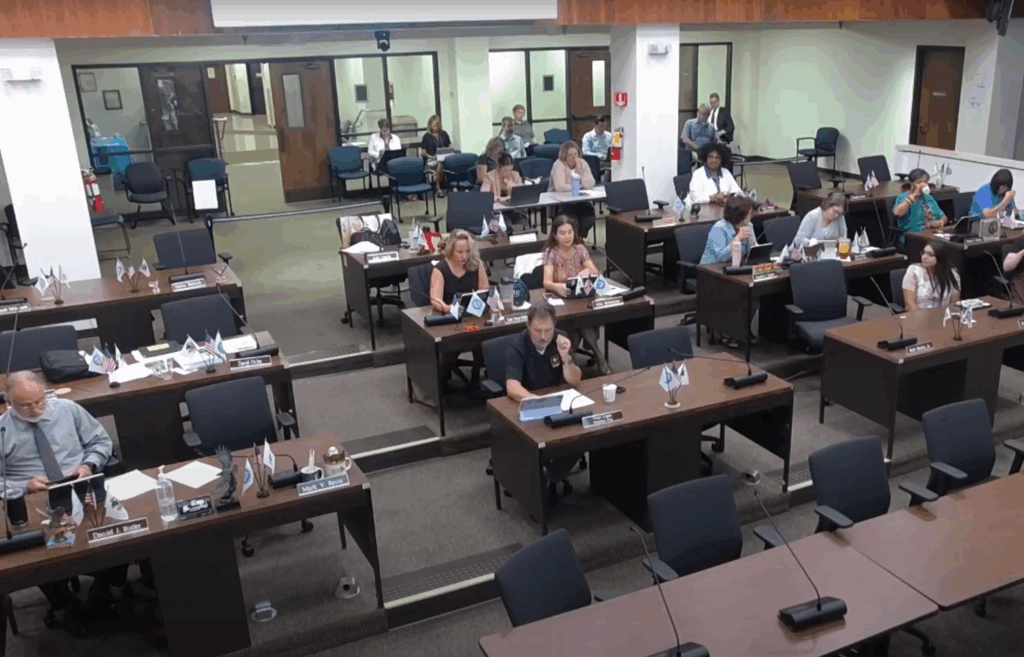
Executive Committee Approves Amended Houbolt Bridge Agreement to Settle Litigation
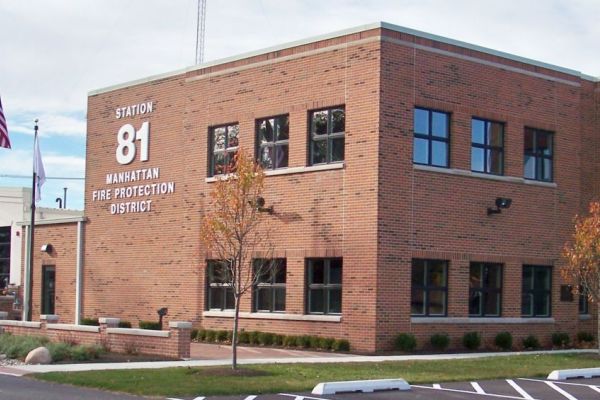
Manhattan Fire District Awards Initial Bids for New Station, Re-bids Four Items to Cut Costs

Meeting Summary and Briefs: Will County Board Committee of the Whole for August 12, 2025
Meeting Summary and Briefs: Will County Ad-Hoc Ordinance Review Committee for August 12, 2025

Legislators criticize Illinois’ utility policies as ‘unsustainable’