
Everyday Economics: Rear-view jobs strength, forward-looking weakness in week ahead
The September jobs report was a look in the rear-view mirror in more ways than one. Because of the 43-day government shutdown, we didn’t get the numbers until late November – nearly two months after the data were collected. By then, the story on the ground had already moved on.
On paper, the report looked surprisingly strong: employers added 119,000 jobs in September, more than double the roughly 50,000 economists had expected. Yet the unemployment rate still ticked up to 4.4%, the highest in about four years. Most of the new jobs came from the same places that have been carrying the labor market all year – health care and social assistance – while transportation and warehousing shed about 25,000 positions.Dig a little deeper, and the foundation looks less solid. Earlier months were revised down by about 33,000 jobs, and a separate revision earlier this year knocked roughly 900,000 jobs off the prior 12-month total. That pattern of downward revisions suggests September’s “beat” may not look as impressive once the data are fully updated. In other words, this late report confirms what we already knew: job growth has been slowing for months.More timely private-sector data paint an even cooler picture. Workforce-analytics firm Revelio Labs estimates the U.S. economy actually lost about 9,000 jobs in October, with job losses in government and retail offsetting gains in education and health care. ADP’s October payroll report shows private employers adding only a modest 42,000 jobs for the month, and its new weekly data suggest firms were shedding more than 11,000 jobs a week late in October. Layoff trackers and WARN notices – especially in high-paying tech and corporate roles – have also turned higher, even as overall layoff rates remain low by historical standards. That’s the classic late-cycle pattern: hiring freezes first, then more visible job cuts.So far, consumer spending has held up thanks largely to higher-income households, who entered this period with stronger balance sheets and less credit-card debt and have kept swiping even as borrowing costs rose. But spending is increasingly concentrated at the top, and lower- and middle-income households have already pulled back. When job prospects dim and prices stay uncomfortably high, eventually even well-off consumers start to flinch.That’s why this week’s delayed September retail sales report matters. The Census Bureau will finally release the numbers on Tuesday, after the shutdown pushed the original October release date into late November. Early estimates point to flat sales in dollar terms and weaker volumes once you adjust for inflation. A soft retail number would confirm what the real-time labor indicators are already telling us: the job market has continued to cool since September, and the slowdown could start to show up in household spending.
Community Events
Latest News Stories

Frankfort, Will County Partner on Wildlife Rabies Control

Executive Committee Approves Appointments for Washington Township, Emergency Telephone Boards

Manhattan D114 Schools Earn ‘Exemplary’ Status in State Report Card

WATCH: Dems leave hearing before minority group’s testimony on Biden border policies

Will County Executive Committee Delays Vote on School Choice Referendum

Construction Business Permit on Sweedler Road Hits Snag Over Flood Plain Issues

Manhattan Parent Makes Emotional Plea for More Transparent School Threat Policies

Chicago council committee rejects mayor’s proposed tax hikes

Illinois quick hits: Elections board considers primary election petition objections

Feds: Illegal commercial drivers licenses issued in California

Socialist candidate runs against Los Angeles mayor
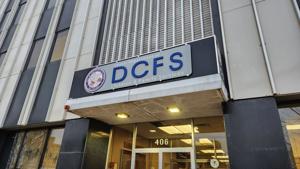
193 youth in care of Illinois’ child welfare agency missing in 2025