

White business owners are biggest share of Illinois’ diversity-preferred contract group
(The Center Square) – Illinois’ initiative to boost the amount of state contract money it awards to businesses owned by racial minorities and women continues to struggle despite the tens of millions of dollars the state has spent.
This month, the number of those businesses that are certified for preference in state contracting dropped again, extending a 17-month downward trend.
The state’s Commission on Equity and Inclusion has been unable thus far to reverse the trend that began when it switched to a new computer software last year. It was meant to streamline the state’s certification process but instead led to a precipitous decline in certifications.
At the time of the switch, there were about 5,050 certified businesses. That number has dropped to about 2,800, according to a staff report at the commission’s meeting this month.
Moreover, the racial makeup of the certified group has shifted. According to previous annual reports, Black-owned businesses had long been the largest share of the group. Now, businesses owned by white women are.
Increasing the size of the certified group is a primary charge of the commission, which was formed by state lawmakers in 2022 and given annual budgets of about $7 million.
Illinois seeks to award at least 30% of its state contract money to certified businesses, which get selection preference and help to navigate the contracting process. Critics call the program discriminatory.
Each of the seven, governor-appointed commissioners who oversee the efforts are paid about $150,000 annually, and they are allowed to work other paid jobs. They also have a staff of more than 30 people.
None of the commissioners has responded to requests from The Center Square for comment about the situation in recent weeks.
Larry Ivory, the president of the Illinois State Black Chamber of Commerce, implored the commissioners in November to review their selection process for the software vendor.
He had previously told The Center Square that the computer problem is so egregious that someone must have chosen the software to deliberately kneecap the state’s diversity efforts.
“I want to make sure that, from a transparency point of view, that we address those issues in terms of who made the decision, if this…” he said during a November commission meeting before someone muted his microphone.
Ivory attended the meeting remotely via videoconferencing software, and his remarks during a public comment portion of the meeting were cut short when he exceeded a three-minute limit, even though no one else from the public was waiting to speak and the meeting was well short of its two-hour allotment. The meeting adjourned after about 40 minutes.
Commission chairperson Nina Harris did not address Ivory’s remarks about the computer system but admonished him for an unrelated comment about the state’s potential lack of oversight of discrimination in certain business markets.
“Larry Ivory, you are incorrect,” Harris said.
The problem with the new computer software is its inability to download certification data from the systems of other government entities, unlike the previous software the commission had used.
It has greatly hampered the commission’s certification efforts because, historically, most of the businesses were directly certified by another entity, such as the city of Chicago, the state Department of Transportation and Cook County.
The commission’s staff has been scrambling to inform businesses that they need to seek certification directly with the state, but it’s unclear how successful those efforts have been. The staff intends to contact businesses directly by telephone next year.
The computer vendor selected was a local minor-owned business.






Chance Showers And Thunderstorms then Showers And Thunderstorms
Latest News Stories

Judge declines CTU’s motion to dismiss financial audit lawsuit

Illinois pushes rate-hike protections forward despite consumer cost fears
Illinois bill aims to delay 2024 tax sales, protect homeowners’ equity

Illinois Quick Hits: Man on pretrial release charged with fireman’s murder
Manhattan School District 114 Approves $5.75 Million Fund Transfer, Advances Bond Repayment
Will County Targets May Draft for Comprehensive Artificial Intelligence Policy

Manhattan Park Board Abates Bond Taxes, Authorizes Legal Intervention in Large Tax Appeals

P&Z Commission Approves Side Yard Setback Variance for Joliet Detached Garage

Executive Committee Advances Sweeping Overhaul of Will County Business Regulations
Manhattan Fire District Fills Full-Time Vacancy, Welcomes Part-Time Members and Interns
Will County Closes Out $16.2 Million Federal Rental Assistance Program, Transitions to Local Funding

Meeting Summary and Briefs: Will County Planning and Zoning Commission for March 3, 2026
Will County Leaders Debate New Construction to Escape $1.2 Million in Leases
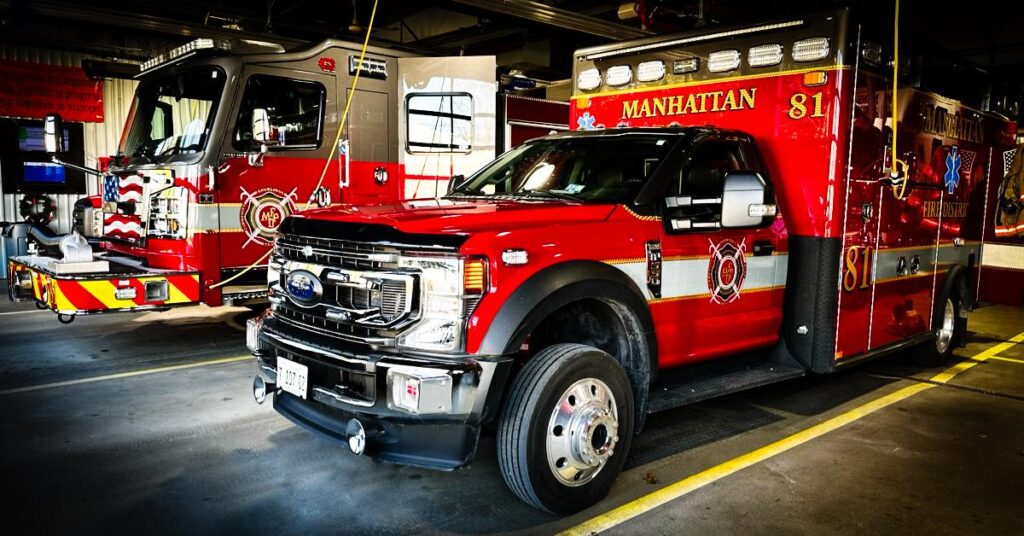
Meeting Summary and Briefs: Manhattan Fire Protection District for February 17, 2026