

First negotiated Medicare drug prices go into effect Jan. 1
Negotiated lower Medicare costs for 10 popular prescription drugs went into effect Thursday.
How much those savings will be passed on to Medicare Part D and applicable Advantage plan enrollees is unclear, however, as drug pricing and reimbursement is notoriously complex and opaque, though lawmakers have pushed for more transparency in recent years.
In 2022, the Inflation Reduction Act authorized and required Health and Human Services for the first time to negotiate the maximum price drug manufacturers can charge Medicare plans for 10 popular drugs each year, starting in 2026.
Earlier this year, the Centers for Medicare and Medicaid Services announced its first set of Medicare-negotiated “maximum fair prices” for 10 selected drugs, with negotiated prices ranging from 38% to 79% below their list prices. A drug’s list price is the manufacturer’s sticker price, though it is rarely what insurers or patients actually pay and is mainly used as a starting point for negotiations.
Those drugs are Eliquis, Enbrel, Entresto, Farxiga, Imbruvica, Januvia, Jardiance, NovoLog/Fiasp, Stelara and Xarelto, and they’re used to prevent blood clots or treat diabetes, autoimmune diseases, blood cancers and heart failure.
The 2023 list price for the blood thinner Eliquis, by far the most popular of the negotiated drugs with close to 4 million Part D enrollees having used the drug that year, was $521 for a 30-day supply. Starting Thursday, the maximum its maker Bristol Myers Squibb can charge is $231, a 56% reduction from the list price, for the applicable Medicare plans.
Of the negotiated drugs, Januvia, which is used to treat diabetes, saw the greatest reduction in its list price, dropping from $527 to $113 for a month’s supply.
The list prices for Fiasp and Novolog, insulins manufactured by Danish pharmaceutical company Novo Nordisk, were slashed 76%, from $495 to $119 per month.
Imbruvica, which was used by 17,000 Part D enrollees in 2023 to treat certain blood cancers, was reduced the least, from $14,934 to $9,319 per month, or 38%.
Any savings for Part D and Advantage enrollees depend largely on which plan they’re enrolled in, as not all plans are the same. Private insurers like Aetna, Blue Cross Blue Shield and Humana offer different Part D and Advantage plans, with varying levels of coverage. Advantage plans that include prescription drug coverage and all Part D plans are required by law to cover the 10 negotiated drugs for as long as they remain in the program.
The Medicare Drug Price Negotiation Program was created to reduce Medicare spending on prescription drugs and enhance the program’s long-term sustainability.


Chance Showers And Thunderstorms then Showers And Thunderstorms
Latest News Stories
Judge declines CTU’s motion to dismiss financial audit lawsuit
Illinois pushes rate-hike protections forward despite consumer cost fears
Illinois bill aims to delay 2024 tax sales, protect homeowners’ equity

Illinois Quick Hits: Man on pretrial release charged with fireman’s murder
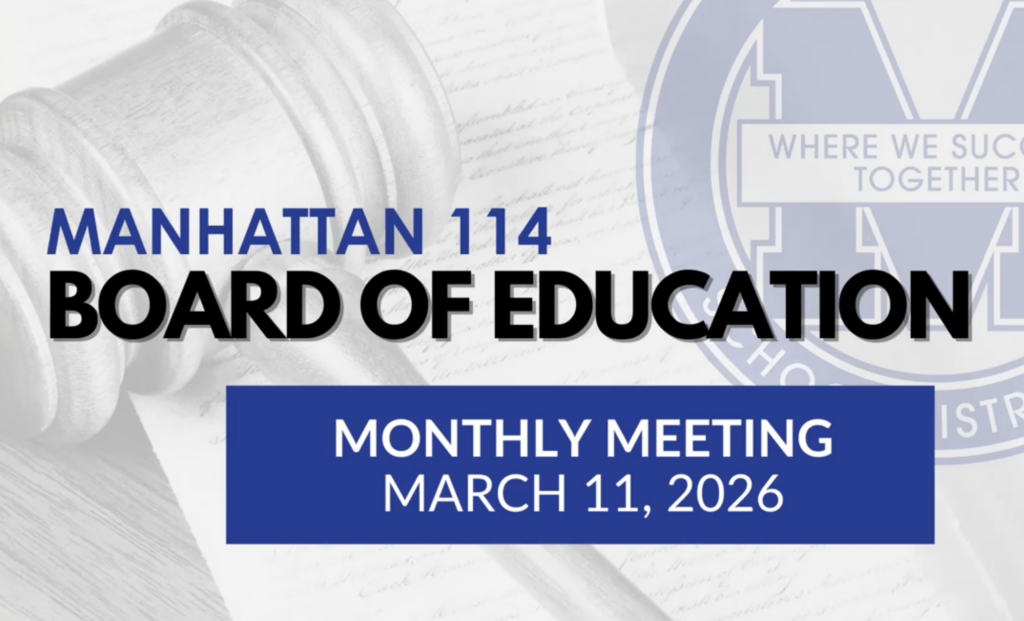
Manhattan School District 114 Approves $5.75 Million Fund Transfer, Advances Bond Repayment
Will County Targets May Draft for Comprehensive Artificial Intelligence Policy
Manhattan Park Board Abates Bond Taxes, Authorizes Legal Intervention in Large Tax Appeals
P&Z Commission Approves Side Yard Setback Variance for Joliet Detached Garage
Executive Committee Advances Sweeping Overhaul of Will County Business Regulations
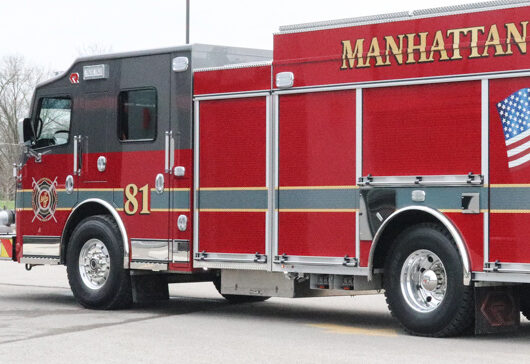
Manhattan Fire District Fills Full-Time Vacancy, Welcomes Part-Time Members and Interns
Will County Closes Out $16.2 Million Federal Rental Assistance Program, Transitions to Local Funding
Meeting Summary and Briefs: Will County Planning and Zoning Commission for March 3, 2026
Will County Leaders Debate New Construction to Escape $1.2 Million in Leases
Meeting Summary and Briefs: Manhattan Fire Protection District for February 17, 2026