
U.S. Supreme Court rules against automatic prison release punishments
The U.S. Supreme Court, in an 8-1 decision, decided an individual on supervised release is not automatically extended when that person absconds from their release.
The case, Rico v. US, focuses on Isabel Rico who absconded her supervised release while she was on probation after being detained in federal prison. During her probation period, Rico was convicted of a state drug offense.
A judge charged her with time in prison and several months of supervised release.
Justices on the court said Rico cannot be automatically considered for an extension of supervised release just because she violated her previous release.
“The government seeks not a rule that stops the clock or ensures a defendant takes no advantage of abscondment, but one that imposes new punishment by automatically extending supervised release,” Justice Neil Gorsuch wrote in the court’s majority opinion.
The justices argued that the Sentencing Reform Act protects Rico from automatic additional punishment, even though she absconded her supervised release.
In 1984, Congress passed the Sentencing Reform Act, which created mandatory uniform national guidelines to increase transparency and unity in federal sentencing practices.
“The Act already provides many ways to ensure defendants do not profit from violations without automatically extending the period beyond what a judge ordered,” Gorsuch wrote.
Justice Samuel Alito provided the lone dissenting opinion. He argued the Sentencing Reform Act was used by the judge to determine Rico’s punishment after she absconded supervised release.
“It seems strange to regard a crime committed after the expiration of “unsupervised supervised release” as a non-event,” Alito wrote. “By that logic, if petitioner had gone on a murder spree after the expiration of the period of unsupervised supervised release, the sentencing judge would have been required to put that out of his mind.”






Showers And Thunderstorms
Latest News Stories

Nashville speaker maker plans to move overseas to avoid tariffs
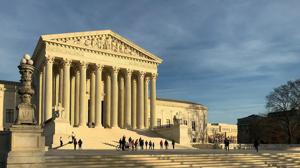
Supreme Court could redefine 14th Amendment application

Missouri year in review: capital gains eliminated, Medicaid increased

2025 in review: Historic border security actions taken by Trump

Free speech under fire nearly 300 times in 2025 on campus

IL rep: As if Bears ‘had a plan to rob the bank’ before considering Indiana
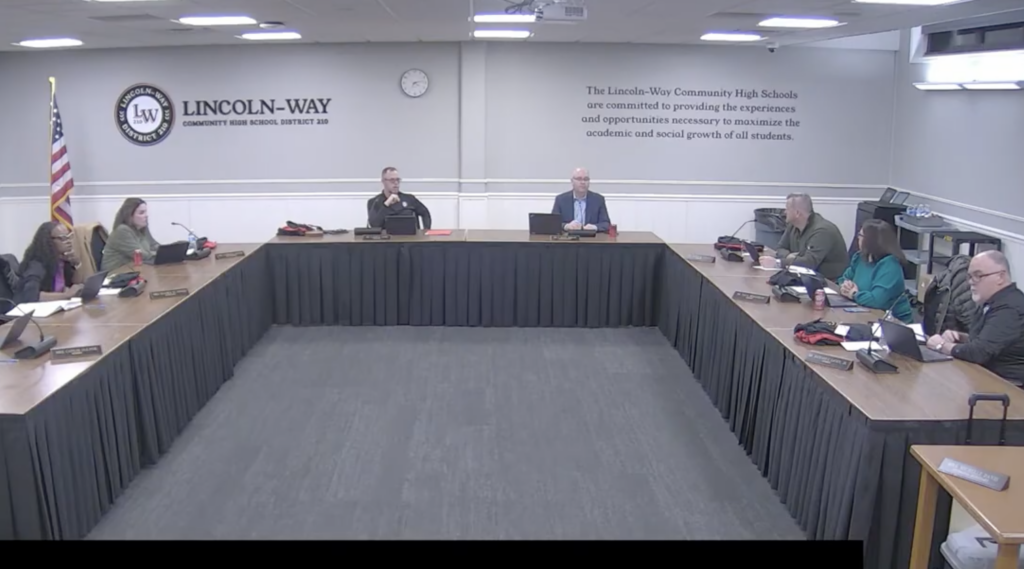
Lincoln-Way High Schools Maintain Top State Rankings; EL Progress Jumps

Undersheriff Brian Conser Retires After 29 Years of Service

Officials warn against limits on loans for nursing students
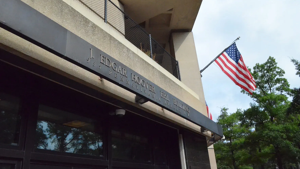
FBI to scrap $5 billion move, Patel says

AGs say ‘As You Sow’ may violate antitrust laws with anti-fossil fuel alliance
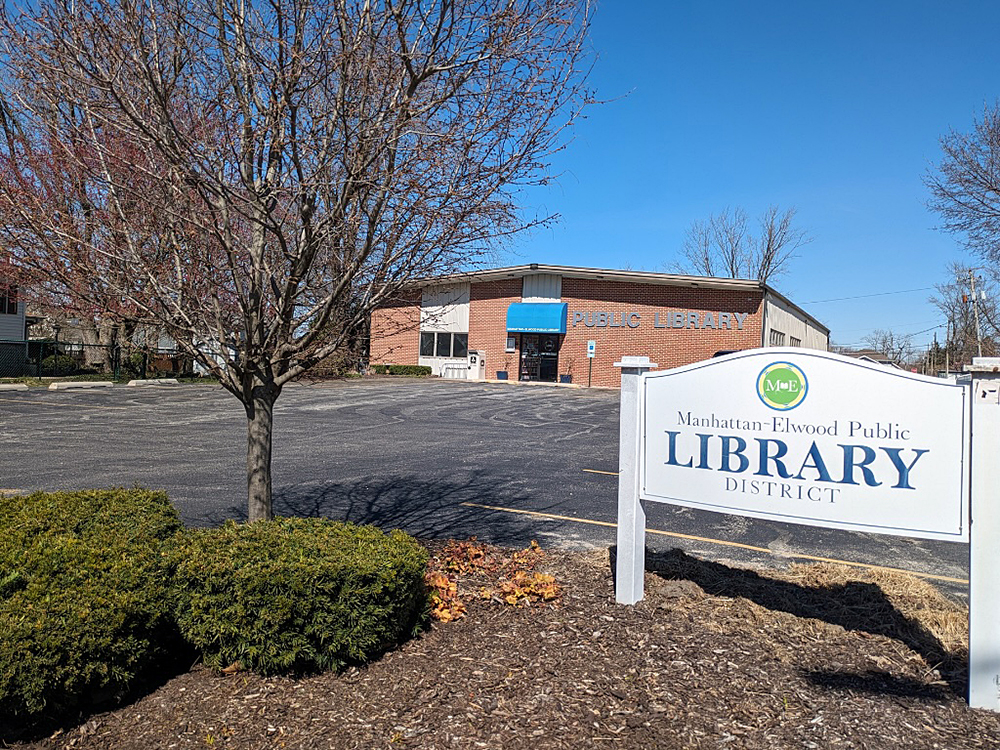
Manhattan-Elwood Library Board Authorizes Steps to Sell Extra Lot