U.S. Supreme Court rules against automatic prison release punishments
The U.S. Supreme Court, in an 8-1 decision, decided an individual on supervised release is not automatically extended when that person absconds from their release.
The case, Rico v. US, focuses on Isabel Rico who absconded her supervised release while she was on probation after being detained in federal prison. During her probation period, Rico was convicted of a state drug offense.
A judge charged her with time in prison and several months of supervised release.
Justices on the court said Rico cannot be automatically considered for an extension of supervised release just because she violated her previous release.
“The government seeks not a rule that stops the clock or ensures a defendant takes no advantage of abscondment, but one that imposes new punishment by automatically extending supervised release,” Justice Neil Gorsuch wrote in the court’s majority opinion.
The justices argued that the Sentencing Reform Act protects Rico from automatic additional punishment, even though she absconded her supervised release.
In 1984, Congress passed the Sentencing Reform Act, which created mandatory uniform national guidelines to increase transparency and unity in federal sentencing practices.
“The Act already provides many ways to ensure defendants do not profit from violations without automatically extending the period beyond what a judge ordered,” Gorsuch wrote.
Justice Samuel Alito provided the lone dissenting opinion. He argued the Sentencing Reform Act was used by the judge to determine Rico’s punishment after she absconded supervised release.
“It seems strange to regard a crime committed after the expiration of “unsupervised supervised release” as a non-event,” Alito wrote. “By that logic, if petitioner had gone on a murder spree after the expiration of the period of unsupervised supervised release, the sentencing judge would have been required to put that out of his mind.”






Chance Showers And Thunderstorms then Showers And Thunderstorms
Latest News Stories
Meeting Summary and Briefs: Will County Planning and Zoning Commission for December 2, 2025
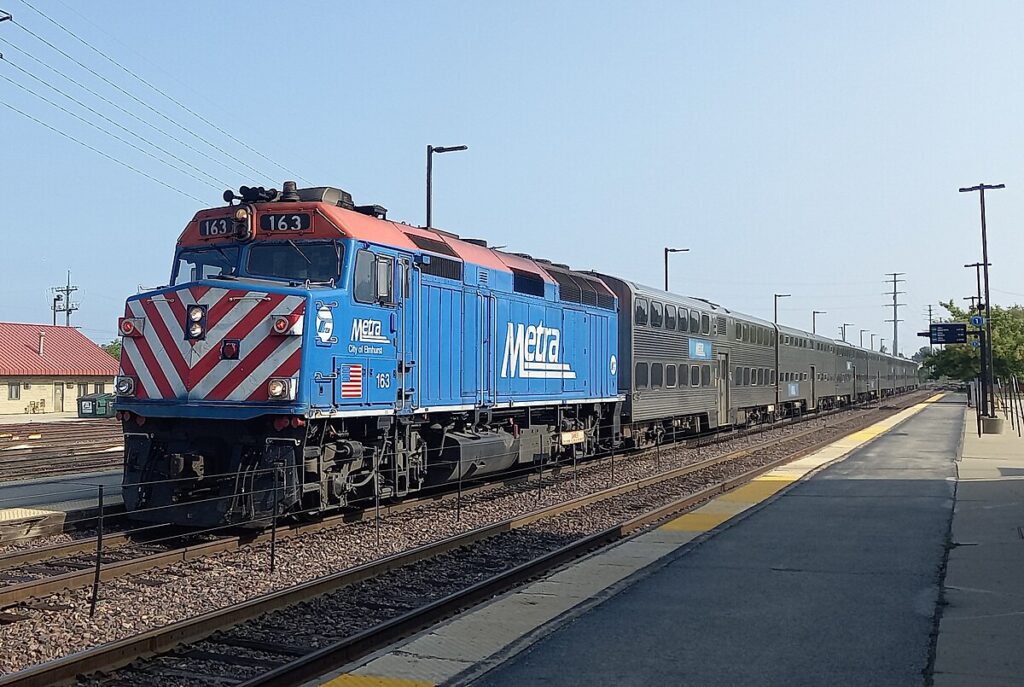
Metra Announces No Fare Hikes; Highlights Bridge Projects in Joliet and Mokena
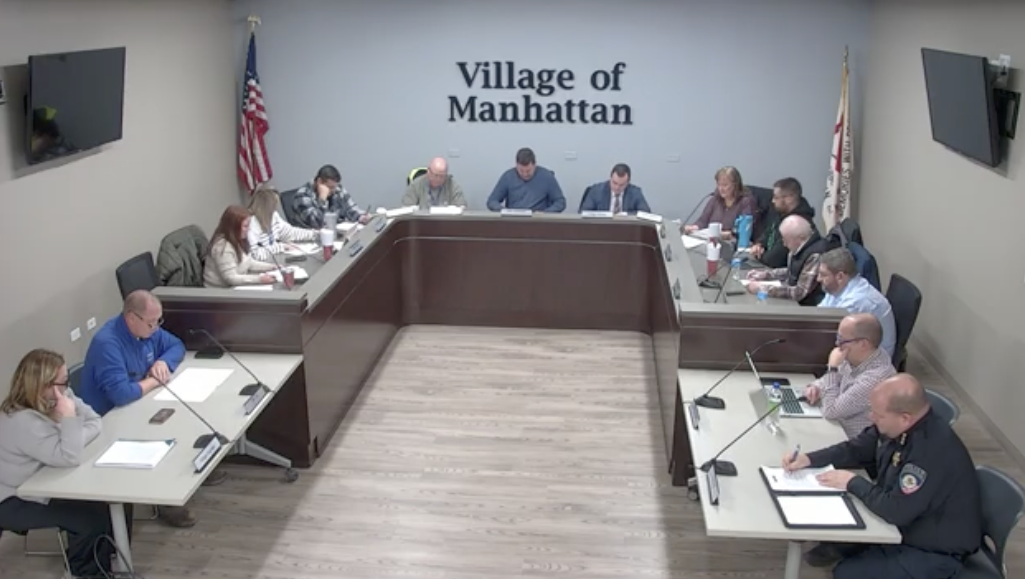
Village Bolsters Winter Operations with New Hires and Truck Purchase

Public Works Committee: Will County Consolidates Paratransit Services Amid Funding Debates

P&Z Commission: Peotone Area Variances Forwarded for Garage and Pole Barn
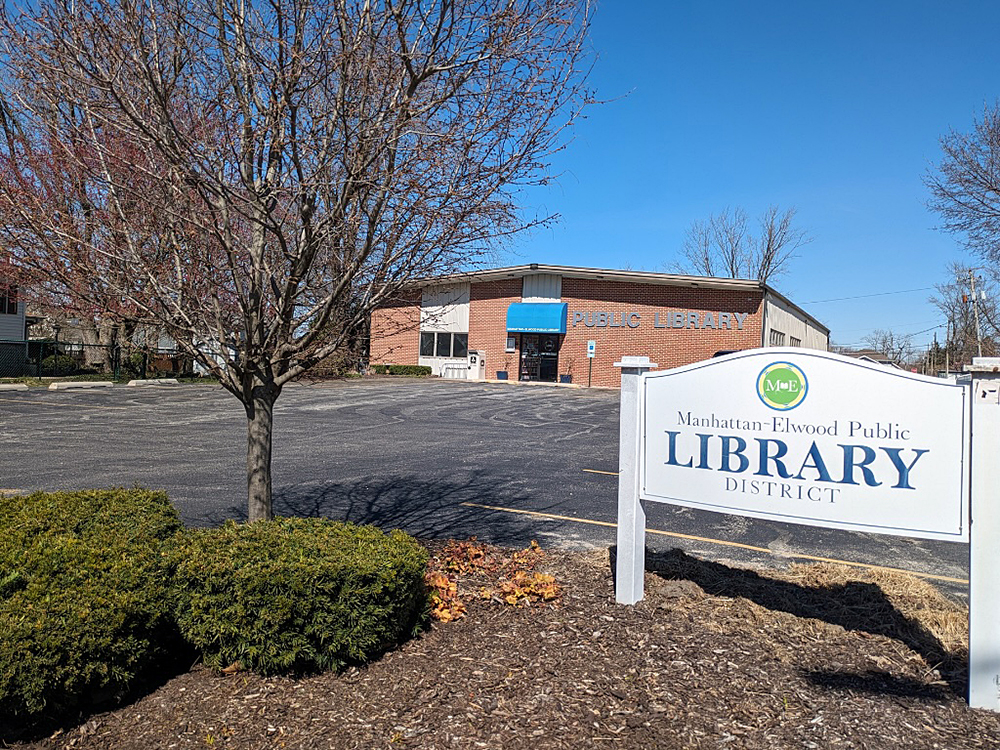
Meeting Summary and Briefs: Manhattan-Elwood Public Library District Board for October 2025
Peotone License Plate Camera Renewal Sparks Privacy Debate in Public Works Committee
No Accidents Reported Since Route 52 Stop Sign Installation; Local Business Donates Cameras

Library Board Authorizes Online Bill Pay and Formalizes Friends of the Library Agreement
Joliet Unity Movement Criticizes Board’s Handling of Cannabis Tax Revenue
Safety Upgrades Planned for Wilmington-Peotone Road; Gas Line Proposal Rejected
Manhattan Trustees Approve 2025 Property Tax Levy
Tensions Flare as Board Members Clash Over Budget Process and Protocol
Will County Board Approves $2.7 Million Reserve Draw to Finalize 0% Tax Levy