

U.S. Supreme Court rules against automatic prison release punishments
The U.S. Supreme Court, in an 8-1 decision, decided an individual on supervised release is not automatically extended when that person absconds from their release.
The case, Rico v. US, focuses on Isabel Rico who absconded her supervised release while she was on probation after being detained in federal prison. During her probation period, Rico was convicted of a state drug offense.
A judge charged her with time in prison and several months of supervised release.
Justices on the court said Rico cannot be automatically considered for an extension of supervised release just because she violated her previous release.
“The government seeks not a rule that stops the clock or ensures a defendant takes no advantage of abscondment, but one that imposes new punishment by automatically extending supervised release,” Justice Neil Gorsuch wrote in the court’s majority opinion.
The justices argued that the Sentencing Reform Act protects Rico from automatic additional punishment, even though she absconded her supervised release.
In 1984, Congress passed the Sentencing Reform Act, which created mandatory uniform national guidelines to increase transparency and unity in federal sentencing practices.
“The Act already provides many ways to ensure defendants do not profit from violations without automatically extending the period beyond what a judge ordered,” Gorsuch wrote.
Justice Samuel Alito provided the lone dissenting opinion. He argued the Sentencing Reform Act was used by the judge to determine Rico’s punishment after she absconded supervised release.
“It seems strange to regard a crime committed after the expiration of “unsupervised supervised release” as a non-event,” Alito wrote. “By that logic, if petitioner had gone on a murder spree after the expiration of the period of unsupervised supervised release, the sentencing judge would have been required to put that out of his mind.”






Mostly Sunny then Chance Showers And Thunderstorms
Latest News Stories
Will County Forges 2026 Federal Agenda Amid D.C. Policy Shifts, ‘Big Beautiful Bill’ Impacts
Health Department Seeks $1 Million Levy Increase to Prevent “Weakened System”
County Rolls Out New “OneMeeting” Software to Improve Public Access

Meeting Summary and Briefs: Will County Board Finance Committee for August 5, 2025
Will County PZC Approves Rezoning for Truck Repair Facility on Manhattan Road Amid Resident Concerns
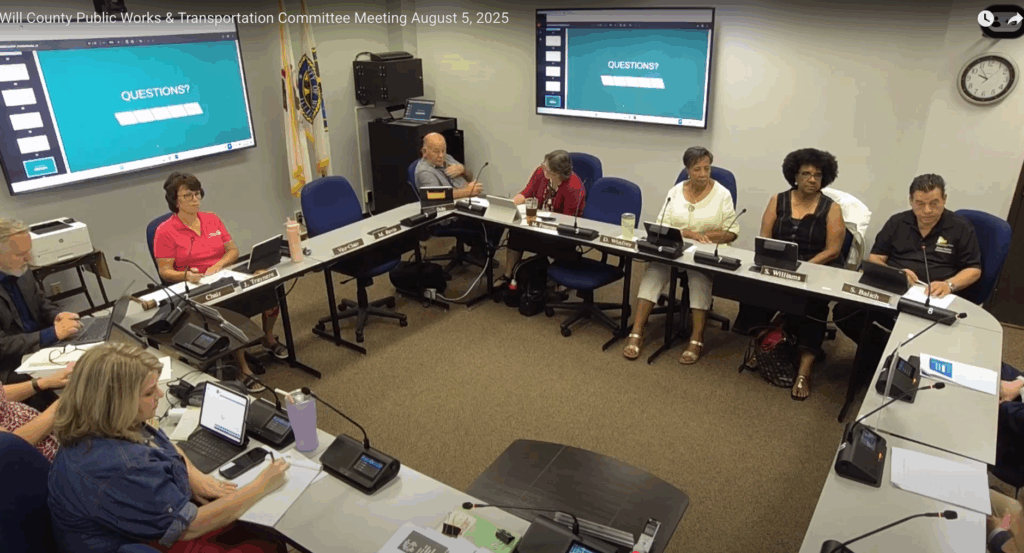
Key Stretch of Bell Road on Track for Thanksgiving Reopening, Committee Approves Additional Funds
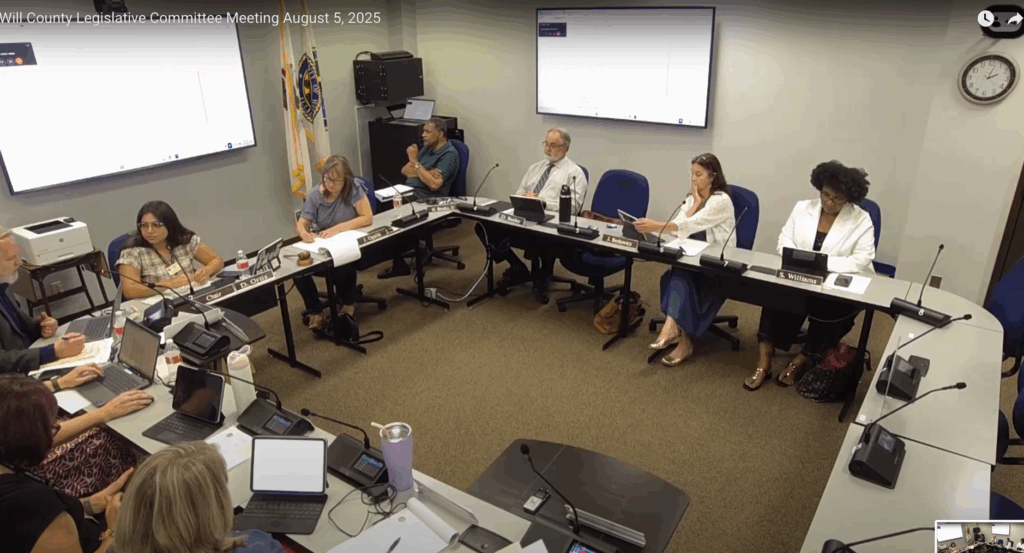
Will County Leglislative Committee Opposes Federal Push for Heavier, Longer Trucks
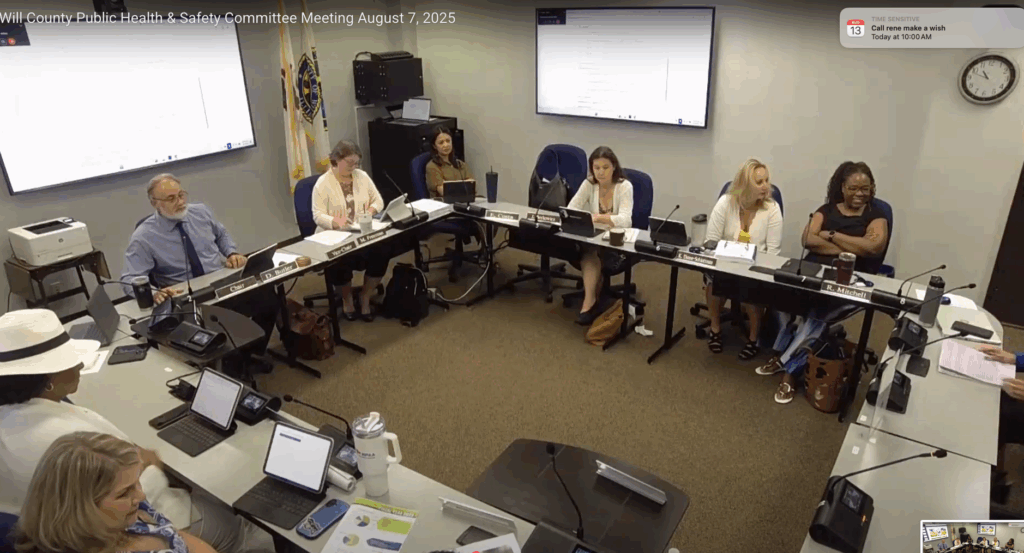
Will County Reports Progress in Opioid Fight, Highlights New FDA Labeling Rules
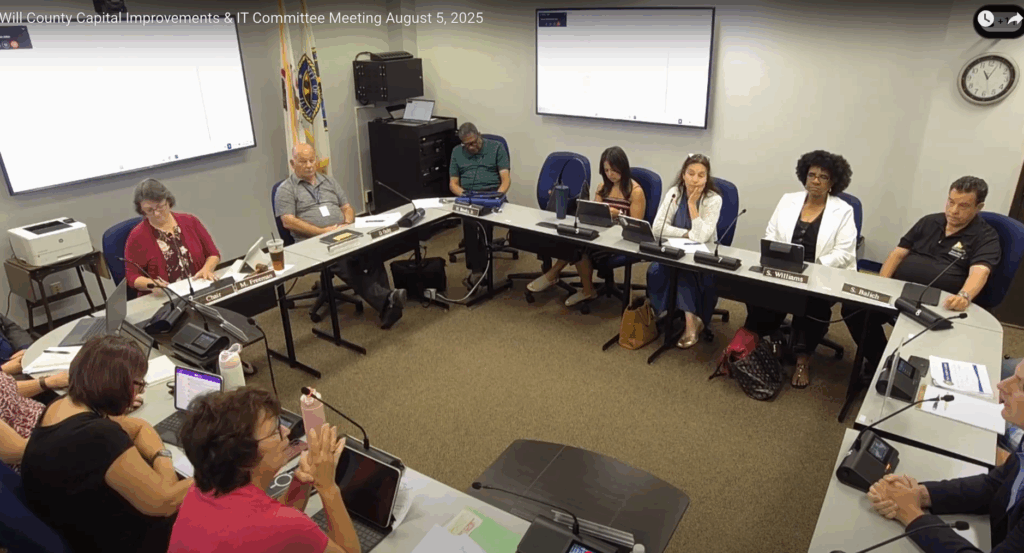
In-House Staff Completes Major Renovations at Will County Adult Detention Facility
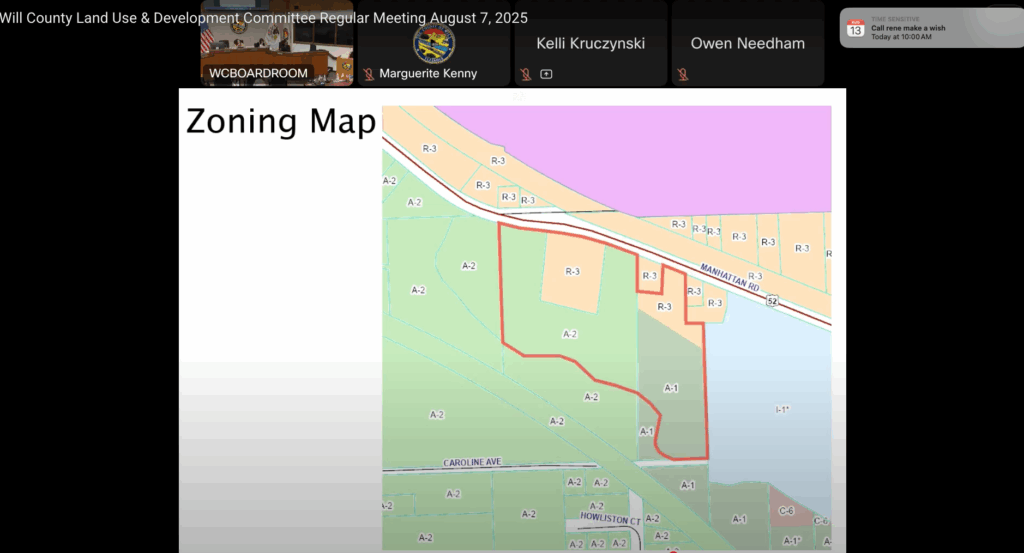
Will County Advances Truck Repair Facility Plan on Manhattan Road Despite Resident Objections
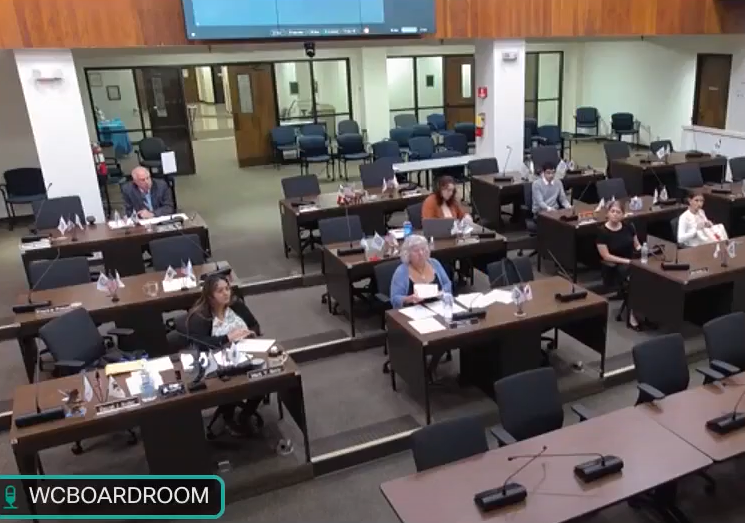
PZC Grants Variance for Oversized Garage in Joliet Township, Reversing Staff Recommendation
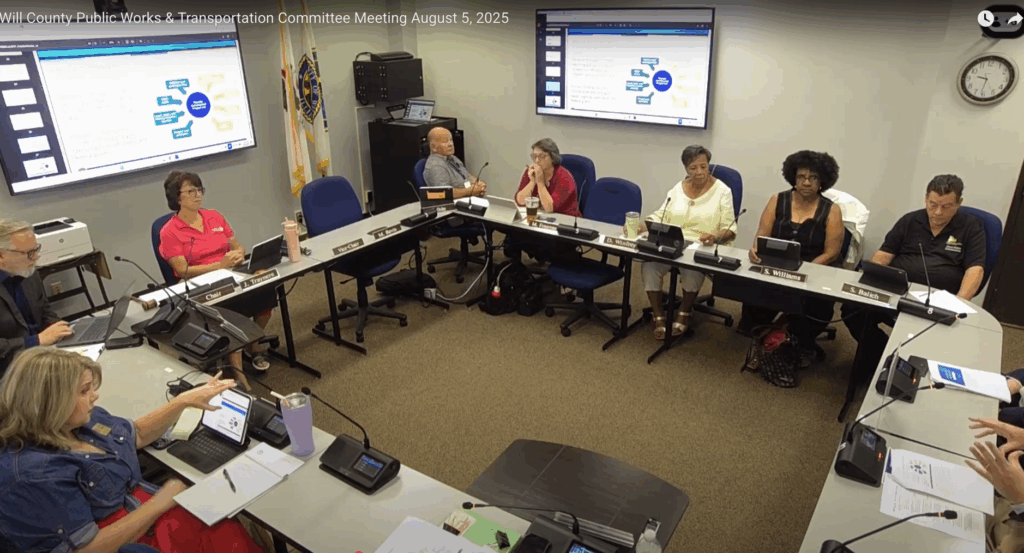
Will County Public Works Committee Approves Over $1.1 Million in New Agreements for 80th Avenue Project