U.S. House OKs Fetterman bill allowing SNAP to cover hot rotisserie chicken
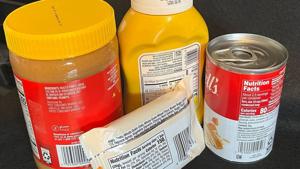
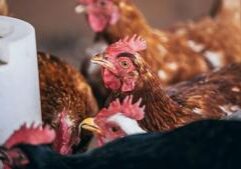
A bill that would allow recipients of the Supplemental Nutrition Assistance Program, or SNAP, to buy hot rotisserie chicken is one step closer to becoming law.
On Thursday, the state House voted 384-35 in support of an amendment to the Farm Bill, which would modify the Food and Nutrition Act of 2008 law to allow the purchase of hot rotisserie chicken for SNAP beneficiaries.
U.S. Sen. John Fetterman, D-Pa., introduced bipartisan legislation labeled the “Hot Rotisserie Chicken Act,” in the Senate a week ago to change the current statute, which allows SNAP recipients to purchase cooked rotisserie chickens that have been cooled down, but it does not allow the purchase of hot prepared foods.
He took to social media on Thursday evening to celebrate its passage in the U.S. House.
“Doesn’t only include my crew’s favorite + affordable $4.99 Costco rotisserie — but ANY hot rotisserie,” he said in part of social media post. “Feeding families: a (rotisserie) chicken in every pot.”
SNAP to include HOT ROTISSERIE CHICKEN.384-35! Doesn’t only include my crew’s favorite + affordable $4.99 Costco rotisserie 😜 — but ANY hot rotisserie.Feeding families: a (rotisserie) chicken in every pot. 🇺🇸 pic.twitter.com/N9bNfynRKx— U.S. Senator John Fetterman (@SenFettermanPA) April 30, 2026
Since the 1970s, when most Americans prepared meals from scratch, the hot foods ban has been in place for SNAP. 30% of SNAP recipients cite lack of time as a barrier to cooking, while 15% cite physical disability and 11% cite lack of kitchen equipment, according to a 2021 USDA report.
About 12.3% of U.S. residents receive SNAP benefits, federal data shows. Two million in Pennsylvania, or roughly 15% of the population, use the program, spending more than $350 million monthly across 38,000 stores, some of which depend mostly on these sales to survive.
Fetterman and U.S. Sen. Michael Bennet, D-Colo. were joined by West Virginia GOP U.S. Sens. Jim Justice and Shelley Moore Capito in this effort.
Capito called the bill a “simple, practical step to make the program work better for the people it serves.”
“SNAP funds would be well spent to feed our nation’s families who need it,” Fetterman said about the proposal.
Supporters of the proposal argue that rotisserie chickens, priced around $5 a piece at grocery stores, are “unmatched in value, especially when factoring in how much time it saves.”
The bipartisan proposal from Fetterman does not increase funding or participant eligibility for SNAP or include all other hot food. It also only applies to eligible retailers, maintaining that SNAP will not be expanded to restaurants.
About 70% of SNAP participants are children, elderly, or have disabilities, according to the National Association of Convenience Stores.
Fetterman, a member of the U.S. Senate Committee on Agriculture, has also backed other efforts addressing SNAP benefits including Bennet’s Hot Food Act, which would allow all hot foods to be eligible under the program, and the Cybersecurity for SNAP Act, which would increase the security of EBT cards to prevent skimming.
The measure now heads to the Senate for consideration as part of the farm bill, according to The Hill.






Chance Showers And Thunderstorms then Showers And Thunderstorms
Latest News Stories
DOJ to release more than 3 million Epstein documents Friday

WATCH: Commission meets as Chicago mayor seeks to prosecute ICE; SNAP changes Sunday
Illinois Quick Hits: Unemployment up over last year

Trump taps Kevin Warsh as next Fed chair
Meeting Summary and Briefs: Will County Landfill Committee for Jan. 13, 2026

Monee Police warn residents of phone scammers impersonating officers

National shutdown, strike planned for Friday, Jan. 30 in protest of ICE

Gori firm accused of fraud, racketeering, ‘bounties’ in asbestos litigation

WATCH: Democratic legislators introduce anti-ICE legislation
Illinois Quick Hits: Grayson gets 20 years for murder
Bill Cassidy, facing Trump-backed challenger, bets on ‘who delivers’
Trump Cabinet meeting: New Fed chair, coal saving lives, Russia and Ukraine
Paul introduces legislation to halt welfare funding for non-citizens